As a business owner, you know the importance of customer satisfaction. But do you know how to ensure that your customers are happy? By observing and listening to them, you can gain valuable insights into what they want and need from your business. In this blog post, we will discuss the keys to customer observation and provide tips for implementing this strategy. Stay tuned!
What is Customer Observation?
Customer observation is studying and gathering customer data to better understand their needs and how they interact with a company’s products or services. It involves qualitative and quantitative research methods, such as interviews, focus groups, surveys, and analytics.
Before Growth Hackers focused on customer observation, one of our B2B SaaS clients relied on assumptions; after our approach, over 75% of initiatives were informed by real customer behavior, leading to smarter decisions and better experiences.
Customer understanding is critical to success in any business. By observing customers, companies can learn about their unmet needs and design products or services to address them. Customer observation can also help businesses improve the customer experience and make it more seamless and enjoyable. A very own selective listening to customers can also give businesses a competitive edge by providing first-hand insights into customer trends.
The 7 Benefits of Customer Observation
Now you know what customer observation is, let’s explore the benefits of this research method.
Customer observation can help you to:
1. Generate new ideas
When you observe customers, you will likely see them use your products in ways you had not anticipated. This can give you new ideas for improving your product or developing new products. Intense but short observation periods can also give you insights into customer behavior that you would not have gained through other research methods.
When you watch customers interact with your product, you can see how they use it and identify any pain points. This information can be used to make improvements that will make the customer experience more enjoyable. When one mobile app client partnered with Growth Hackers to watch how customers interacted with their product, we saw firsthand how small discoveries led to major product improvements and new features that delighted users.

Want to conduct customer observation, but don’t know how to manage it successfully?
Contact Growth Hackers
2. Improve existing products and services
By observing customers using your products, you can identify areas where they are struggling. This information can then improve your products and make them more user-friendly. Before you conduct market research, it is important to have a clear idea of what you want to achieve. This will help you choose the most appropriate research method and design your study to give you the insights you need.
3. Identify unmet needs
In some cases, customers may be trying to use your product to meet a need that it was not designed for. This could be because they are unaware of an alternative product that would better suit their needs or because your product is the only available option. At Growth Hackers, we’ve helped over most of our B2B and B2C clients uncover unmet customer needs through observation, turning those insights into product improvements that drive real results.
Observing customers can identify unmet needs and investigate how best to address them. Before you invite relevant employees to participate in customer observation, it is important to ensure that they understand the research objectives and what is expected of them.
4. Reduce customer churn
Customer churn, also known as customer attrition, measures the number of customers who stop using your product or service over a given period. It is important to track customer churn rate as it can significantly impact your business. By observing customers, you can identify potential causes of customer churn and take steps to prevent it.
A very well-known example of customer observation is the net promoter score survey, which is used to gauge customer satisfaction and identify areas for improvement. From working with over 150 SaaS and e-commerce clients, Growth Hackers has helped companies cut churn by up to 45% simply by actively tracking customer behavior and acting on feedback.
5. Build better relationships with customers
When you observe customers, you have the opportunity to build relationships with them. This can be done by engaging with them in conversation or simply showing interest in their experiences. Building better relationships with customers can create brand loyalty and encourage them to continue using your products or services.
Your customer connection sessions will help you understand what customers want and how they feel about your company, products, or services. Plus, in your market research, you will have the opportunity to explore how customers feel about your brand and their level of satisfaction with your products or services.

6. Create more personalized experiences
In some cases, customers may want more personalized experiences. This could include customizing their products, having a more personal interaction with customer service, or feeling like they are part of a community. Through customer observation, you can learn what things your customers want to create a more customized experience for them. In the market research fieldwork, this is also called ethnographic research.
7. Increase sales and profitability
By understanding your customers better, you can make changes to your products, services, or marketing to increase sales and profitability. For example, your product development team may be able to create new features that appeal to a wider range of customers. Before working with Growth Hackers, one of our healthcare clients struggled with stagnant revenue; after leveraging customer insights, their sales and profitability climbed by 38% in less than half a year.
Or, you might find ways to increase customer satisfaction, leading to repeat business and referrals. Your customers can be your best source of information about how to improve your products and services. Through customer observation, you can learn what they like and don’t like and what they need and want. This important and valuable feedback can then be used to make changes that will increase sales and profitability.

What Are the 8 Keys to Customer Observation?
Whether you use black box marketing to understand your customers’ behavior or another framework, there are many keys to customer observation success. To optimize the customer experience, it is important to have a deep understanding of customer behavior. There are several key factors to consider when conducting customer observation:
1. Observer
The observer is the individual who will be observing the customers. The observer should be objective and unbiased. Additionally, the observer should have a keen eye for detail. If your business does not have someone who meets these criteria, you may consider hiring a professional research firm. During this step, the observer should also develop a methodology for observing customers.
2. Observation Method
Several different methods can be used to observe customers. The most common method is direct observation. This involves observing customers while they interact with your business. Another method is video analysis. This involves watching videos of customer interactions and analyzing them afterward.
Additionally, businesses can use surveys and interviews to gather information about customer behavior. At Growth Hackers we treat customer observation like having a microscope on your business, revealing insights that can transform every interaction into an opportunity for growth.
3. Location
The location of the observation is also important. The observer should be able to see and hear the interactions between customers and your business. Additionally, the observer should be close enough to the action to make detailed observations.
It is very important to choose a comfortable location for the observer. Moreover, the locations should not disrupt the business or bother the customers. When selecting a location, businesses should also consider the type of customer they want to observe.
4. Data Collection Process
After the observation has been conducted, it is important to have a process for collecting and analyzing the data. This data can be used to improve the customer experience. If the goal is to improve customer satisfaction, it is important to identify patterns and problems that may be causing customers to be dissatisfied.
When one of our tech clients struggled to understand why customers were leaving mid-purchase, Growth Hackers analyzed their data, uncovered key friction points, and helped redesign the process. What was the outcome? It led to a 33% increase in completed transactions within 10 weeks.
Even if the goal is not to improve customer satisfaction, the data can be used to improve other aspects of the customer experience. Like if you are running an alcohol business, the TABC certification online course from National Bartenders can help you learn more about customer expectations. In this way, the alcoholic beverages you serve will be more appreciated by the customers.

5. Analysis Process
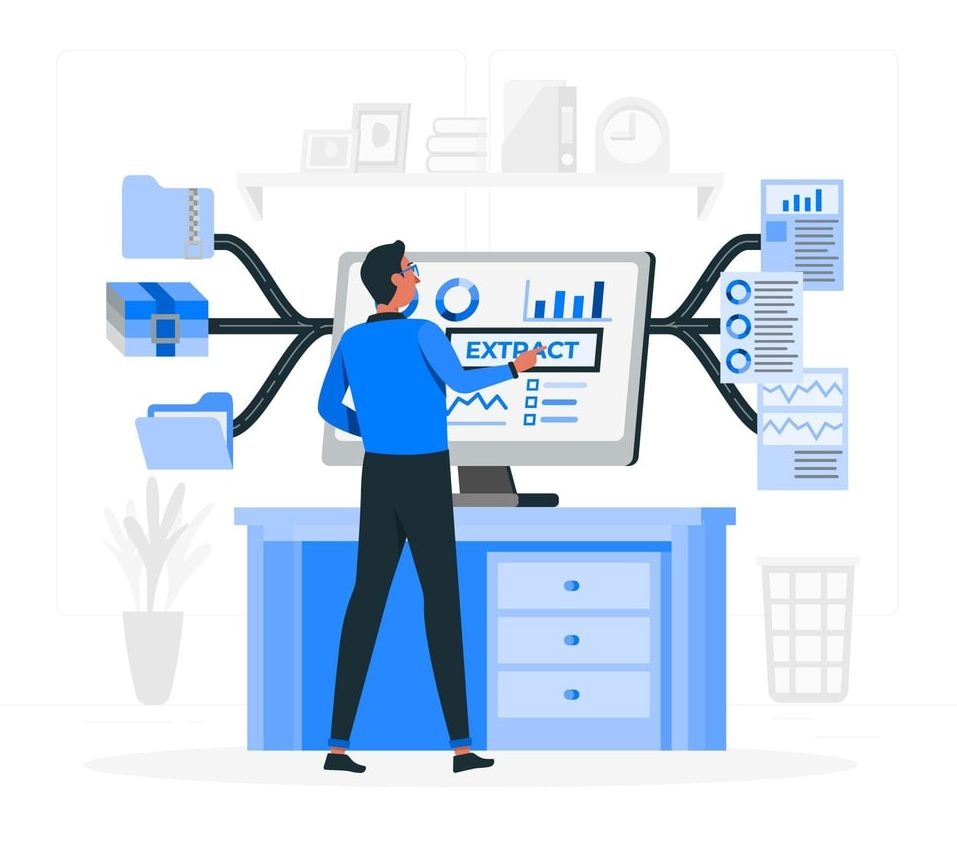
Once the data has been collected, it is important to analyze it. This analysis can be conducted using various methods, such as a SWOT analysis. Additionally, businesses can use statistical methods, such as regression analysis to identify relationships between different variables.
Before working with Growth Hackers, one of our industrial clients often made decisions based on incomplete data; after applying our precise analysis process, they consistently made improvements that boosted customer satisfaction and sales.
Only what is important should be included in the analysis. Just like the previous example, if a tabc certified online course is being taken to improve customer service, then only the relevant customer service-related data should be included in the analysis. This will help businesses make better decisions about improving the customer experience. And alcohol sales will increase for sure.
6. Reporting Process
After analyzing the data, it is important to report the results. The results should be reported clearly and concisely. Additionally, the results should be tailored to the business’s specific needs. When writing the report, it is important to keep the following in mind:
- Easy to read and understand
- Free of jargon
- Actionable
- Tailored to the specific needs of the business
At Growth Hackers we view reporting like translating a foreign language: making data speak clearly so businesses can act with confidence and precision.

Improve customer experience through customer observation!
Work with Growth Hackers
7. Implementation Process
After the results have been reported, it is important to implement changes based on the findings. This implementation process can be conducted by making changes to the products or services the business offers. Additionally, the implementation process can involve making changes to the way that the business interacts with customers.
Your own customers can be your best resource for improving your business. By observing them and analyzing their behavior, you can make changes that will improve their experience with your business. When one of our SaaS clients realized their onboarding process frustrated new users, Growth Hackers guided them through targeted improvements, resulting in a 29% increase in customer retention within 8 months.
8. Evaluation Process
After the changes have been implemented, it is important to evaluate their efficacy. This evaluation can be conducted by observing customer behavior or by surveying customers. With this feedback, businesses can fine-tune their efforts to improve the customer experience.
Customer observation is a powerful tool that can be used to improve the customer experience. By following these tips, businesses can ensure that they are conducting customer observation in the most effective way possible. At Growth Hackers we see evaluation like taking a pulse: measuring the impact of every change to ensure the business stays healthy and thriving.
Final Words on What the Keys To Customer Observation Are
Customer observation is a process through which businesses can gather data about their customers’ needs, wants, and behavior. It is a critical component of user experience research and helps businesses design better products and services that meet the needs of their target market.
Whether you’re a small business or a large corporation, if you want to improve the customer experience, customer observation is key. So, start with these tips and see where it takes you!
GrowthHackers is a one-stop shop growth hacking company helping businesses from all over the world grow. There is no fluff with Growth Hackers. We help entrepreneurs and business owners benefit from product observation, increase their productivity, generate qualified leads, optimize their conversion rate, gather and analyze data analytics, acquire and retain users and increase sales.
We go further than brand awareness and exposure. We make sure that the strategies we implement move the needle so your business grow, strive and succeed. If you too want your business to reach new heights, contact GrowthHackers today so we can discuss about your brand and create a custom growth plan for you. You’re just one click away to skyrocket your business.