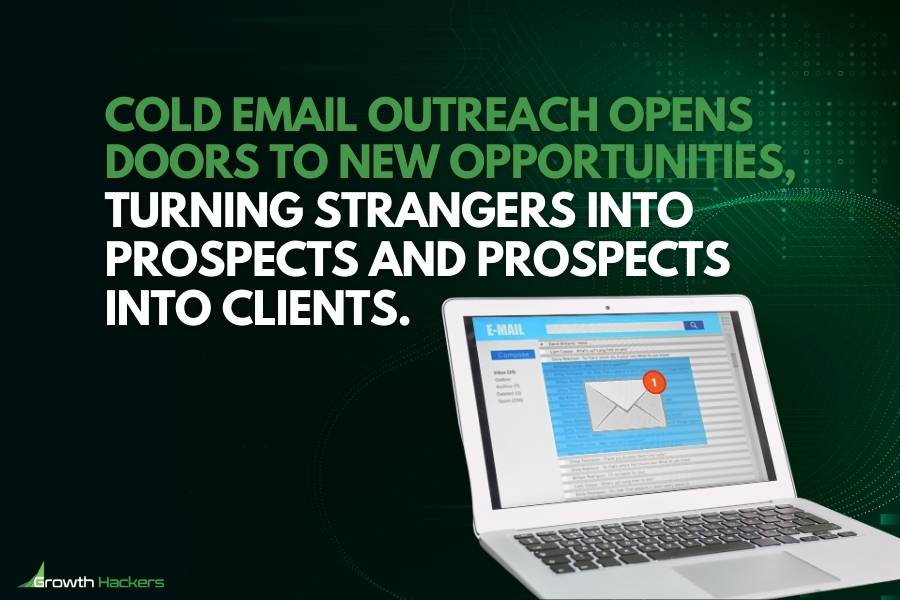
Before the internet, cold calling typically consisted of salespeople dialing unknown phone numbers or setting up in-person meetings with people they’d never met. But in the modern era, cold calling has taken on a new and more efficient form: email outreach campaigns.
With cold email marketing, businesses can generate new leads, land more sales, and build networking opportunities all at once. A single email can travel to thousands of potential clients, influencers, and potential partners in just seconds.
Of course, you’ll need to employ the right email marketing strategy to get the most out of your campaigns. To help you start, we’ve put together 12 outreach tips to boost your conversion rates practically overnight.
What is Cold Email Outreach?
Cold email outreach is the process of contacting others via email without previously being asked to. In other words, you’re reaching out to people who aren’t customers now, but could provide valuable leads or partnerships later. For instance, at Growth Hackers, we use cold emails for our clients by using tools like Lemlist and Instantly.
The end goal of writing and sending outreach emails is to put your business in contact with another business to gain potential clients, sell your product or service, and market a fresh perspective on your company. With the right technique, you can turn even non-paying leads into valuable relationships that expand your brand. And the more your brand grows, the more potential you have for increasing conversions.
The Importance of Cold Email Outreach
Emails can help you gather leads and promote your business… assuming you use them wisely. They come with several benefits, starting with their simplicity and cost-effectiveness. Plus, you don’t have to be an expert to put together an elegant, conversion-driving campaign.
Another perk of cold email campaigns is their versatility. At Growth Hackers, we’ve ran a strategic cold email campaign for a B2B SaaS company. What was the result? They started generating dozens of leads within just 2 weeks after launching the campaigns. Depending on your business needs, you can use them to:
- Target ideal customers based on age, location, occupation, and interests
- Automate your advertising and outreach campaigns
- Raise brand awareness, capture new leads, and increase website traffic
- Conduct market research (such as by sending out surveys)
- And even reach out to prospective employees to hire new talent
Cold outreach comes with a few other relatively unexpected benefits, too.
For instance, did you know that email outreach can improve your link building strategy?
Or that a well-done email campaign can lead to press coverage of your business, niche, or events? (Of course, you’ll likely have to target journalists for that outcome.)
Or even that, with a well-nursed email campaign, you can build relationships that may lead to partnerships, interviews, guest blogging opportunities, and more? In business, networking is king – and a solid cold email campaign may be the key you need to get in.
How Does Cold Outreach Differ from Spam?
Cold emails aren’t spam, presuming you don’t use them to spam. The main difference is that cold outreach involves contacting targeted companies and persons who may have an interest in your offer. By contrast, spam emails cast a wide net, targeting anyone and everyone they can which in the end of the day can damage the customer experience, as you may unknowingly include some of your existing customers.
So, being thoughtful about your customer experience strategy as it relates to your cold email campaigns can better ensure you get quality leads and satisfied customers. At Growth Hackers, we treat cold outreach like archery: aiming carefully at the right targets lands hits and boosting lead quality.
Still, you’ll want to ensure you comply with the CAN-SPAM Act before you send out cold outreach emails. Under current regulations, you can send emails to business people you don’t know as long as you:
- Don’t misrepresent who you are
- Don’t use misleading subject lines
- Do label your email as an advertisement or coupon if it is one
- Include a physical business address
- Offer (and honor) opt-outs, such as an unsubscribe button
- Take responsibility for any emails your employees or subcontractors send under your name
As long as you meet these criteria, your cold email campaign isn’t spam, it’s good business. Also, with all the email lookup tools that are available (e.g. Apollo, Clay…) and you can create a lead list of your target audience in a matter of minutes. Sales tools were never as powerful as they are now.
Do you want to be on top of your cold email outreach game?
Contact Growth Hackers
The 12 Best Cold Email Outreach Tips and Tricks
Before you jump straight into the meat of your emails, you should know how to structure an effective campaign. To wit, we’ve gathered 12 tips and tricks to see you through to success.
1. Start with a little research
Think of your outreach campaign as the first step in cultivating a business relationship, rather than closing a single sale. At Growth Hackers, we’ve found that doing thorough research before outreach increases response rates by 54% and boosts conversions by 36%, proving preparation drives results.
Yes, getting to know your leads can pay off by driving higher conversions but that’s not all it’s good for. A solid outreach campaign can also pay off with long-term partnerships or valuable networking opportunities.
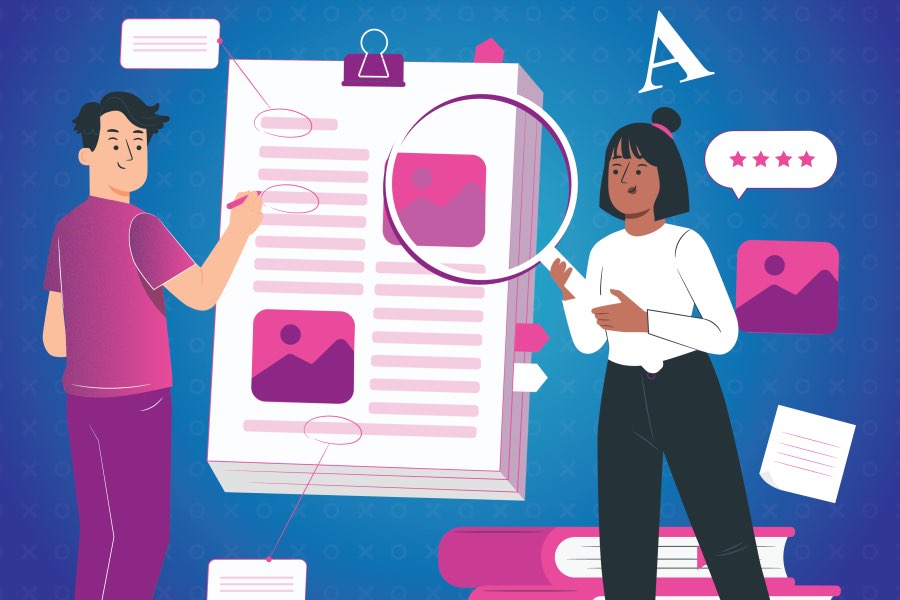
To gain the advantage going in, start by doing research on your recipients. This may include their names, age, business or employer, job title, and pain points, among other juicy tidbits.
Anything you learn now will give you common ground upon which to build a foundation in your first email. Plus, a little market research (related: check out our guide on market research for startups for some ideas) can help you target only those with a potential interest in your offer, increasing your chance of success.
2. Set goals for your campaigns
Having set goals in mind will inform the purpose of your cold outreach campaign, which is useful for designing your outreach strategy. Determine whether you’re looking to:
- Garner press coverage for an event or product release
- Build relationships with journalists to cover your brand
- Gain backlinks or initiate business partnerships
- Use your leads to guide potential sales down your funnel
Of course, it’s okay to have multiple goals at once. (Such as using press coverage of a new event to build lasting relationships with journalists who cover your niche.) But if that’s the case, be prepared to work those angles strategically!
3. Personalize your subject line
An interesting subject line is like the title of a good book: it draws your readers in before they’ve even begun. A personalized subject line goes one step farther by setting your email apart in a deluge of daily messages.
The way you design your subject line should account for the reason you’re reaching out. At Growth Hackers, we helped one of our B2B manufacturing clients personalize their subject lines using mutual references, and within days (Not weeks) their email open rates jumped 39%, showing relevance wins over volume.
For instance, sales emails should have short subject lines devoid of pushy language.
If you’re reaching out for an interview, mentioning that upfront can save your email from being sent to the trash folder.
And when you’re contacting someone due to a reference from a mutual connection, mentioning the relevant parties can increase your chances of getting an open.
Regardless of your purpose, subject lines should typically fall between 30-50 characters. You may also want to test various subject lines before greenlighting your campaign to find what style works best.
4. Use and test your own template
Email templates often get a bad rap, and for not unfair reasons. A poorly made template looks clunky, impersonal, and amateurish in both design and appeal.
But crafting your own email outreach templates allows you to insert more personalization and highlight your voice. Plus, if you plan to scale your campaign as your business grows, you’ll need templates. (Unless you prefer to spend a small fortune designing each email individually, that is.)
You can gain inspiration for unique templates online or even in your own inbox. Pay attention to the emails that catch your eye and take a lesson from those that turn you away. Then, hop into your trusty online form builder and start designing something simple, workable, and elegant.
5. But don’t sound like a template
As we established above, using a template is a smart (and often necessary) cold outreach strategy. But if your emails sound stiff or impersonal, you’re doing it wrong.
To that end, consider your first template a rough draft for your campaign. Don’t be afraid to tweak your language, adjust your advertising designs, and most importantly, make it personal.
At Growth Hackers, we treat templates like clay: when molded with personal touches, they become memorable messages, increasing meaningful replies by up to 60%. If you’re not sure how to make cold emails sound a little warmer, start by:
- Using your recipients’ names, rather than a generic “Dear sir or Madam”
- Leading with personalized compliments, asking for advice, or deferring to their expertise
- Using your prior research into their pain points to find common ground
You may also find more success if you think about the problem in reverse. If you were to receive your emails, what would you want to hear from your company?
In other words, design your message around the value you can provide to them (or how they can help you). And don’t forget to state the benefits of a mutual partnership, networking opportunity, or customer relationship!
6. Use the BAB formula to get results
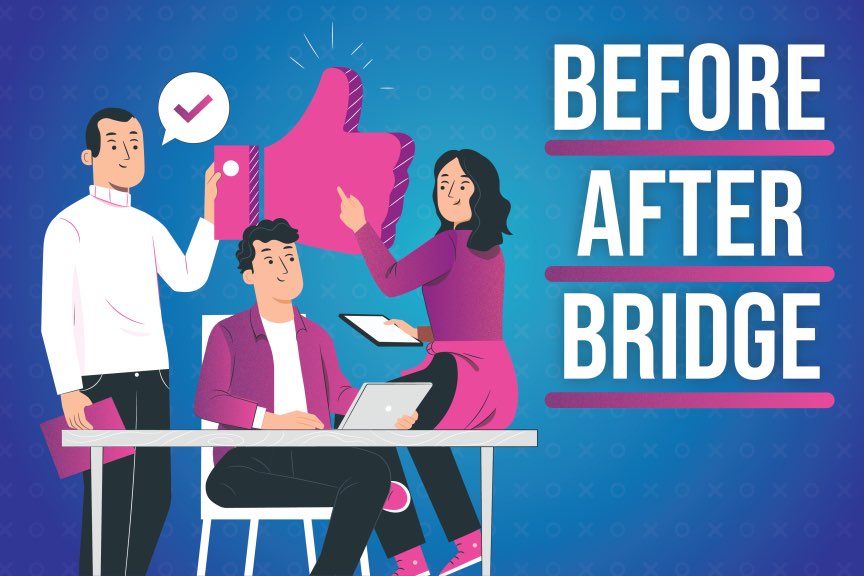
The BAB formula is an effective way to design the actual message of your campaign, particularly if you’re making a sales offer. All you have to do is explain three key points:
- Before: where they are now
- After: where they could be
- Bridge: how to go from before to after (in other words, how you can solve their pain point)
The BAB formula motivates your recipients by touching on their problems and pain points (the before). Then, it describes the world they could enjoy if their problems just disappeared (the after). Finally, it closes by explaining how your offer could bridge the gap from problem to solution with ease.
BAB is also an easy way to demonstrate your value to your recipients by showing, rather than telling. In this method, you don’t just say your product works, you provide a clear-cut example of how they could benefit from a relationship with your business. With this psychological insight, you can compel your readers not just to respond, but to act.
At Growth Hackers, before using BAB for our B2B clients, click-through rates hovered at around 20%; after implementing the formula, they doubled, proving a structured narrative motivates action.
It’s time to generate new leads and boost your sales with cold email outreach!
Work with Growth Hackers
7. Use concise, specific language to make your point (and get to the point)
In email marketing, it’s easy to forget that you’re reaching out to busy people with full schedules. So, the more concise you are, the greater your chances of receiving a positive response. The following tips can help you craft the perfect message without getting wordy:
- Try the “inverted pyramid” method by outlining the important points at the beginning and narrowing down to the less important details
- Get to the point within the first 1-2 paragraphs
- Fill in key details (such as the purpose of your email) without going overboard
Depending on the nature of your email, you may even want to forgo the typical pleasantries. Proposal emails that get results usually skimp on the fluffy introductions and ride heavy on the details. So, consider diving into the meat of your campaign and leaving the fluff to the birds.
At Growth Hackers, we guided a B2B law firm revise their outreach emails to be short and specific, and within 3 weeks responses jumped 37%, showing brevity drives action.
8. Use follow-ups to increase your open rate
Another potential strategy is using your first “cold open” email as a teaser. In this strategy, it’s best to make your first email short and sweet, with just enough detail to make your recipients curious. Then, end your email by offering to message soon or asking them to contact you.
Regardless of your chosen method, you can then send a follow-up with more information or a gentle reminder. Remember, you’re reaching out to busy people so sometimes a lack of response is simply the result of a busy day. You can also take this opportunity to tweak your original pitch or even redesign your template if need be.
However, you’ll want to avoid annoying follow-ups. That means no spamming inboxes or sending multiple messages requesting feedback. (Typically, you’ll want to leave at least 2-3 days between emails.) And if someone relegates you to the spam folder, it’s usually better to accept your fate than risk a complaint.
Whether it’s for our B2B clients or for our own cold email campaigns, we never send just 1 email. Indeed, we usually send a sequence anywhere between 3 and 7 emails within 2 months. From our extensive experience, this process 3X the number of replies.
9. Spice up your closing statement with a call to action (CTA)
Your closing statement is another opportunity to add relevant details, make your message personal, and close the deal. Depending on the nature of your campaign, this can take several angles, including:
- Expressing excitement about a potential partnership
- Waxing poetic about your product
- Noting that your offer is limited time only
- Thanking the recipient for their time and encouraging a response
Regardless of your tack, you’ll want to tailor your closing statement with a call-to-action that inspires them to…well, act.
But as in the rest of your campaign, don’t rely on canned responses to seal the deal. Instead, throw in one last bit of personalization. You should also add links to the content or product you want them to review (if applicable).
10. Let your signature do the rest
Your email signature is your final chance to take your click-worthy content from good to terrific. This overlooked marketing opportunity is an unobtrusive way to, yet again, direct your recipient toward more of your content.
For instance, you can embed media, such as a video or social media link, that explains more about you or your business. In particular, linking to social media profiles can improve your open rates, as people like interacting with real people.
Social media aside, don’t forget to include your other contact information, too. Include your business address, relevant phone numbers, and alternate email addresses.At Growth Hackers, we see the email signature like a business card at the end of a conversation: subtle, informative, and it boosts interaction.
11. Edit before you send
In the era of word processors and autocorrect, editing your work can seem like an annoying inconvenience with few benefits. But autocorrect isn’t infallible, and word processors don’t check for every instance of bad grammar and errant punctuation.
Fortunately, it’s easy to avoid sending out spelling and grammar mistakes with a 5-minute edit before you greenlight your campaign. I’m sure you did you but at Growth Hackers, we often receive cold email campaigns saying things like “Hi [First Name]” or “[Your Company]” instead of having “Andy” or “Growth Hackers”. This is a turn off. So, make sure you double check your cold email campaigns before you click “send”.
12. Track your campaign
You should always track the metrics of your cold email outreach campaigns. After all, there’s no better indicator of your immediate success. A solid tracking tool can indicate which emails leave you on read and which engage with you from the get-go. In the future, you can use this information to design your email lists and even reevaluate your templates and messaging efforts.
At Growth Hackers, one of our B2B clients was running cold email campaigns before working with us. Their results were abysmal and they didn’t know why. We started carefully tracking opens, clicks and replies. We didn’t stop there, we acted on the data we collected by enriching their data and optimizing their copy. Then, what happened? Within 2 months their campaign performance jumped why a whopping 53%, turning insight into action.
You should also track security and deliverability by keeping an eye on the DMARC report. If you face a ‘no DMARC report found’ message, you should look into it and learn how to fix the issue to avoid hackers intruding your domain.
The Ultimate Email Outreach Tip: A Little Effort Goes a Long Way
Outreach emails are a great way to drive sales, earn quality backlinks, and gain a competitive edge in your niche. But any ole strategy won’t do, you’ll need to outline your process from beginning to end and prepare to scale as your business grows.
With a little effort, you can bring value to both your prospects and yourself. You may have a few interesting conversations in the process and even net a few new networking connections.
Growth Hackers is an award-winning email marketing agency helping businesses from all over the world grow. There is no fluff with Growth Hackers. We help entrepreneurs and business owners create an effective email outreach campaigns to generate qualified leads, optimize their conversion rate, gather and analyze data analytics, acquire and retain users and increase sales.
We go further than brand awareness and exposure. We make sure that the strategies we implement move the needle so your business grow, strive and succeed. If you too want your business to reach new heights, contact Growth Hackers today so we can discuss about your brand and create a custom growth plan for you. You’re just one click away to skyrocket your business.