Growing an eCommerce business today involves far more than attracting visitors and processing orders. Customers interact with brands across social media platforms, email, SMS, landing pages, paid advertising, and mobile devices before making a purchase. They expect relevant experiences, personalized messages, and timely communication at every stage of the customer journey.
For many businesses, managing these customer interactions manually becomes increasingly difficult as the company grows. Marketing teams often find themselves spending hours on repetitive marketing tasks, sending manual follow-ups, and trying to coordinate marketing messages across multiple channels.
This is where eCommerce marketing automation becomes essential.
Instead of relying on manual processes, e-commerce marketing automation helps businesses automate repetitive tasks, streamline marketing processes, and create personalized campaigns that respond to customer behavior in real time. Whether it’s email marketing automation, abandoned cart reminders, loyalty programs, or SMS marketing, automation allows brands to engage customers at the right moment while improving efficiency.
At Growth Hackers, we’ve worked with eCommerce startups, growing e-commerce brands, and established retailers that reached a point where manual marketing efforts were limiting growth. In many cases, implementing the right marketing automation platform helped improve customer engagement, increase average order value, drive repeat purchases, and build stronger brand loyalty without significantly increasing operational costs.
For businesses looking to scale online sales, eCommerce marketing automation is no longer optional. It has become a critical part of modern eCommerce marketing.
What is eCommerce Marketing Automation?
eCommerce marketing automation refers to using technology, automation software, and automated marketing tools to automate marketing activities based on customer actions, preferences, and behaviors.
Rather than manually managing customer communications, businesses can use marketing automation software to send automated messages, trigger personalized campaigns, and coordinate marketing channels based on real-time activity.
Modern e-commerce marketing automation software typically supports:
- Email marketing
- SMS marketing
- Push notifications
- Social media management
- Landing pages
- Loyalty programs
- Ad campaigns
- Customer feedback collection
The goal of eCommerce marketing automation is to deliver the right message to the right customer at the right time while reducing repetitive tasks and improving overall efficiency.
As eCommerce marketing continues to evolve, businesses that leverage marketing automation gain a significant advantage in delivering consistent customer experiences across multiple channels.
Why eCommerce Marketing Automation Matters More Than Ever
The eCommerce landscape has become increasingly competitive.
Consumers have more options than ever before, and customer expectations continue to rise. eCommerce brands must deliver personalized experiences throughout the entire customer journey while managing growing volumes of customer data.
This challenge becomes even greater as an eCommerce business expands.
Without eCommerce automation, marketing teams often struggle to keep customers engaged, maintain consistency across marketing channels, and execute marketing campaigns efficiently.
An ecommerce store should serve as the central hub for all e-commerce marketing activities. Every customer interaction, product view, add-to-cart action, and purchase generates valuable insights that can fuel smarter marketing automation strategies.
At Growth Hackers, we’ve seen businesses transform their results by implementing an effective eCommerce marketing automation strategy. The ability to automate routine marketing efforts while maintaining personalization creates a foundation for sustainable growth.
6 Benefits of eCommerce Marketing Automation Software
The value of eCommerce marketing automation extends beyond saving time.
1. Increased Revenue Opportunities
Revenue-focused automated campaigns can generate significant returns through:
- Abandoned cart reminders
- Product recommendations
- Cross-sell campaigns
- Upsell campaigns
- Loyalty programs
- Re-engagement sequences
These automated marketing campaigns help eCommerce brands maximize customer lifetime value while reducing dependence on customer acquisition services.
2. Personalization At Scale
Customers expect personalized marketing campaigns.
Using customer data such as purchase history, browsing behavior, and previous customer interactions, businesses can deliver personalized messages that feel relevant and timely.
This level of personalization would be difficult to achieve manually.
3. Improved Efficiency
Marketing automation software allows businesses to automate repetitive tasks and reduce time spent on routine marketing efforts.
As a result, marketing teams can focus more on strategy, experimentation, and growth initiatives.
4. Stronger Customer Relationships
Effective e-commerce marketing automation supports the entire customer journey, helping businesses improve customer engagement and strengthen brand loyalty through consistent communication.
5. Faster Time to Value
One of the biggest advantages of eCommerce marketing automation is how quickly businesses can see results.
At Growth Hackers, we often recommend starting with a few high-impact automation workflows:
- Welcome email campaigns
- Abandoned cart reminders
- Post-purchase follow-ups
- Review requests
Research shows that 73% of businesses experience positive results within 30 days of implementing marketing automation.
Track metrics such as:
- Average order value
- Customer engagement
- Repeat purchases
- Revenue per recipient
- Conversion rates
Early wins help validate your automation strategy while creating momentum for future automation efforts.
6. Better Customer Journey Orchestration
Successful eCommerce marketing automation focuses on the customer journey rather than individual campaigns.
Businesses should map trigger-based touchpoints across the entire customer journey and design marketing messages that align with customer intent.
Examples include:
- Welcome emails after signup
- Browse abandonment emails
- Cart recovery sequences
- Shipping updates
- Product education emails
- Feedback requests
- Loyalty program invitations
Real-time automation workflows allow businesses to engage customers based on behavior rather than assumptions.
The result is a more seamless customer journey and stronger customer engagement.
Ready to boost sales and retention with eCommerce marketing automation?
Contact Growth Hackers
eCommerce Marketing Automation Platform: How To Choose
Choosing the right e-commerce marketing automation platform can have a significant impact on results.
Essential Integrations
Your eCommerce platform should connect seamlessly with:
- Customer relationship management systems
- Inventory management software
- Analytics platforms
- Payment systems
- Marketing tools
Strong integrations ensure accurate customer information and reliable reporting.
AI and Advanced Automation Features
Many modern marketing automation platforms offer advanced automation capabilities such as:
- Predictive segmentation
- Product recommendations
- Send-time optimization
- Customer lifetime value forecasting
These advanced automation features help improve efficiency and performance.
Pricing Structure
Evaluate costs based on:
- Contact volume
- Event tracking
- Email sends
- SMS usage
- Advanced analytics capabilities
Many providers offer a free plan that allows businesses to test functionality before upgrading.
Run a Pilot
Before committing to a marketing automation platform, run a pilot program.
Testing helps determine whether the eCommerce marketing automation platform aligns with your marketing strategy and growth goals.
eCommerce Marketing Automation Tools and Automation Software
Businesses today have access to a wide range of eCommerce marketing automation tools.
The key is selecting automation tools that centralize customer data, support eCommerce marketing objectives, and integrate seamlessly with existing systems.
Start by auditing your current software tools and identifying integration gaps.
The best eCommerce marketing automation tools simplify operations rather than create additional complexity.
Top Tool Types
Email-First Platforms
Popular email marketing and email marketing automation platforms include:
- Klaviyo: Ideal for ecommerce brands focused on email marketing and SMS marketing.
- Omnisend: Strong omnichannel capabilities and a generous free plan. Omnisend offers over 25 automation templates for e-commerce.
- Brevo: An affordable all in one solution for growing eCommerce startups.
Most provide a free plan and strong eCommerce platform integrations. Before selecting the right marketing automation tool, test integrations with your eCommerce platform, CRM, and payment systems.
Personalization Platforms
These automation tools support:
- Dynamic content
- Product recommendations
- Personalized campaigns
- Behavioral targeting
Analytics and Monitoring Tools
Advanced analytics platforms help businesses evaluate marketing campaigns, customer interactions, and automation software performance.
Automated Campaigns and Use Cases
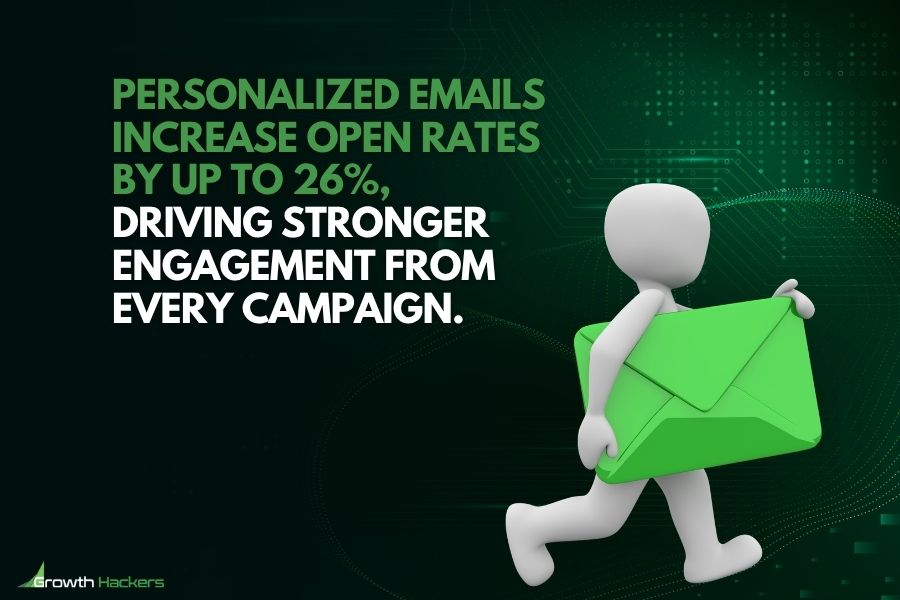
The most effective eCommerce marketing automation programs focus on automated campaigns with clear revenue potential. Personalized emails have been shown to increase open rates by up to 26%, making them one of the most powerful levers for driving performance at scale.
Recommended priorities include:
- Welcome series
- Abandoned cart reminders
- Post-purchase sequences
- Loyalty programs
- Re-engagement campaigns
Regular testing helps optimize performance and maximize returns.
Abandoned Cart Reminders
Abandoned cart reminders remain one of the highest-performing automated campaigns.With 70.22% of shoppers leaving before completing a purchase. Sending 2–3 reminder emails can help bring customers back and recover lost revenue.
A common structure includes:
- First email after 1 hour
- Second email after 24 hours
- Final email after 48 hours
Include product images, personalized messages, and relevant incentives.
Well-executed abandoned cart reminders can significantly increase average order value and recover lost revenue.
Welcome Series and Onboarding
A strong welcome series helps engage new customers immediately.
Recommended sequence:
Email #1: Brand introduction
Email #2: Educational content with a soft offer
Email #3: Best-selling products and social proof
Segment subscribers by acquisition source to improve customer engagement and deliver more personalized marketing campaigns.
Successful email marketing starts with a strong onboarding experience.
Post-Purchase, Reviews and Customer Feedback
The post purchase experience platform plays a major role in retention.
Businesses should automate:
- Order confirmations
- Shipping notifications
- Product education
- Feedback requests
- Review requests
Collecting customer feedback helps improve products, identify friction points, and strengthen customer relationships.
Strong post-purchase experiences increase repeat purchases and create more loyal customers.
On-Site and Mobile Automation For Your eCommerce Store
eCommerce marketing automation extends beyond email campaigns.
Modern eCommerce store experiences often include:
- Real-time product recommendations
- Exit-intent popups
- SMS marketing campaigns
- Push notifications
Push notifications can be used for:
- Back-in-stock alerts
- Flash sales
- Cart recovery
Combined with SMS marketing, these channels help improve customer engagement and increase conversions.
Landing pages can also be personalized based on user behavior, helping businesses engage customers more effectively.
Building an Automation Strategy for eCommerce Marketing
A successful automation strategy begins with understanding the customer journey.
Businesses should:
- Identify key touchpoints
- Define performance metrics
- Establish segmentation rules
- Create naming conventions
At Growth Hackers, we often recommend launching three foundational automation workflows first:
- Welcome series
- Abandoned cart reminders
- Post-purchase follow-up
A structured eCommerce marketing automation strategy creates a strong foundation for future growth.
Implementing eCommerce Marketing Automation Software
Implementation begins with preparation.
Clean Customer Data
Before importing records, ensure customer data is accurate and standardized.
Import Core Datasets
Verify field mappings and data integrity.
Configure Tracking
Track:
- Product views
- Cart events
- Checkout activity
- Purchases
Train Teams
Marketing teams should understand workflow creation, governance standards, and reporting procedures.
Successful implementation ensures e-commerce marketing automation software delivers long-term value.
Measuring Results and Optimizing Automated Campaigns
Every automation strategy should include clear KPIs.
Examples include:
- Conversion rates
- Repeat purchases
- Average order value
- Customer engagement
- Revenue per campaign
Run controlled tests and optimize one variable at a time.
Quarterly audits help identify underperforming automation workflows and improve overall performance.
Scale your store smarter with eCommerce marketing automation today.
Work with Growth Hackers
3 Common Mistakes to Avoid With Automation Tools
Businesses often make three common mistakes.
1. Over-Automating
Automation should support personalization, not replace it.
2. Poor Data Hygiene
Clean customer records regularly to ensure accurate segmentation.
3. Excessive Complexity
Master core automation strategies before introducing advanced automation capabilities.
Simple systems often outperform overly complicated ones.
Quick Implementation Checklist for Automated Campaigns
Before launching:
- Map customer journeys
- Build welcome workflows
- Configure abandoned cart reminders
- Create post-purchase sequences
- Set up landing pages
- Enable event tracking
- Implement customer feedback collection
- Schedule quarterly reviews
These steps help accelerate implementation while minimizing risk.
3 Future Trends in eCommerce Marketing Automation
The future of eCommerce marketing automation will be shaped by three key trends.
1. AI-Powered Recommendations
Advanced automation systems will provide optimization recommendations automatically.
2. Better Omni-Channel Experiences
Businesses will coordinate marketing messages more effectively across marketing channels.
3. Privacy-First Data Practices
As regulations evolve, responsible data management will become increasingly important.
Companies that adapt early will gain a competitive advantage.
FAQ and Next Steps
Should We Run a Pilot Before Purchasing Software?
Yes. A 30-day pilot helps validate functionality and performance before committing to a long-term solution.
What Should We Prioritize First?
Start with:
- Welcome emails
- Abandoned cart reminders
- Post-purchase sequences
Are Free Plans Worth Exploring?
Absolutely. A free plan allows businesses to evaluate features before making a larger investment.
Unlock the Full Potential of eCommerce Marketing Automation
eCommerce marketing automation is no longer optional, it has become the backbone of how modern eCommerce brands compete and grow in a highly saturated digital landscape. As customers demand faster responses, more relevant messaging, and seamless buying experiences, brands that rely on manual execution alone struggle to keep pace.
The true value of e-commerce marketing automation is not just efficiency, but the ability to connect the entire customer journey through timely, data-driven, and personalized interactions. When done right, it helps increase conversions, drive repeat purchases, strengthen brand loyalty, and maximize customer lifetime value by turning every interaction into a scalable growth opportunity.
If your goal is to increase repeat purchases, recover more revenue opportunities, and improve overall customer lifetime value, you can request a free growth audit with our team today. You can also book a 30-minute strategy call to identify the right eCommerce marketing automation strategies and tools for your specific store and growth stage.
At Growth Hackers, a top-tier marketing automation agency, we help e-commerce brands design and implement end-to-end automation systems that combine strategy, data, and execution into a single scalable growth engine. If you’re ready to maximize the power of eCommerce marketing automation, we’re here to help you build systems that actually drive measurable results.