Negative attitudes are typically difficult for marketers to change because they are built on strong beliefs, emotional experiences, and social influence. Once formed, these opinions create mental shortcuts that guide buying decisions and block competing information. The longer they remain, the harder they are to shift, even with strong marketing campaigns.
Changing a negative attitude often requires more than just presenting facts, as consumers’ attitudes depend on more than logic alone. Marketers must address the emotions and trust issues that keep consumers from reconsidering a brand. Without tackling these deep-rooted barriers, even the most convincing message can fail to make an impact on consumer satisfaction.
Why Negative Attitudes Are Typically Difficult for Marketers to Change
Attitudes Are Learned and Long-Lasting
People form attitudes through repeated experiences and exposure. These attitudes turn into unchanging decision rules that save effort during choices. A single bad purchase or service failure often anchors a strong, lasting view.
Most consumers’ attitudes become fixed through habit. They will skip research and use the old belief instead. A bad airline delay during a holiday can shape future flight choices for years.
Psychological Resistance
People protect their beliefs. They reject messages that clash with what they already think. They look for proof that supports their view and avoid content that challenges it, as they want to receive recognition for their beliefs .
Bad events create stronger memories than good ones. A spoiled meal is easier to recall than ten decent meals. This memory weight keeps negative attitudes alive.
Social and Cultural Reinforcement
Friends, family, and online communities influence how people judge brands. Shared stories spread fast on social media and review sites. Cultural values also shape what seems fair, safe, or acceptable.
Components and Psychology of Attitude Formation
Cognitive Component
This part covers beliefs and knowledge about a brand. People build it from product use, ads, and what others say. Price, quality, and fairness set mental anchors that guide later judgments.
Expectations matter. If a product line once broke often, the mind expects the next model to break too. New claims must be strong to change that belief.
Emotional Component
Feelings form quickly and can outrun logic. Anger, shame, or fear can attach to a brand after one bad moment. Warm feelings from past wins can also carry a brand through small slips.
Brand images and stories link to emotions. A brand that signals pride or care can shift mood and choice. Facts alone rarely move a heavy feeling.
Behavioral Component
Past actions push people to stay consistent. Someone who has avoided a brand for years may keep doing so to feel right about past choices. Subscriptions, loyalty points, and learning costs add friction to switching.
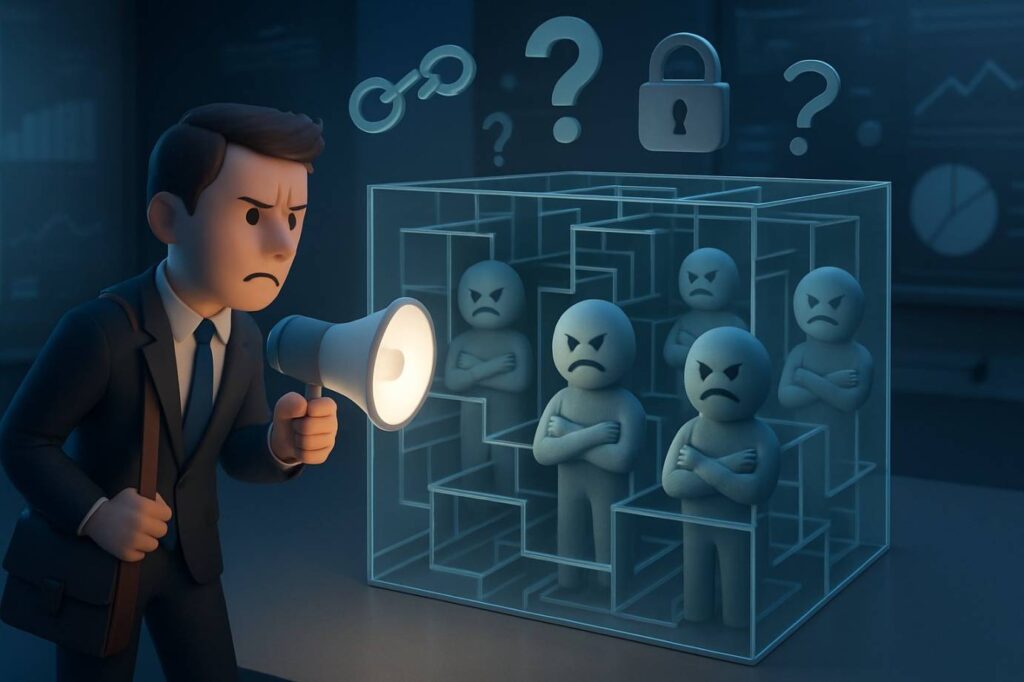
Factors That Reinforce Negative Attitudes
Weight of Personal Experience
Firsthand experience beats advertising every time. A rude support call can outweigh a hundred positive reviews. Painful timing, like during travel or a big event, makes the memory even stronger.
Repeated problems create a pattern in the mind. If cables from one maker keep fraying, buyers expect the next one to fail. That pattern feels hard to break.
Risk Perception
People judge the risk of being wrong. Consumers weigh performance risk heavily, especially in high-cost purchases. A family will stay with a safe-seeming car brand even after rivals improve.
Social risk also matters. No one wants to look foolish for picking a brand with a bad image. Public choices, like phones or sneakers, carry extra pressure.
Information Processing Bias
Selective attention filters what we notice. People who dislike a brand skip its ads and ignore its updates. Confirmation bias twists neutral facts into support for the old view.
Source trust shapes impact. Claims from the brand face doubt. Independent voices carry more weight.
Facing challenges shifting negative attitudes in campaigns?
Contact Growth Hackers
Challenges Faced by Marketers in Changing Attitudes
Message Credibility
Consumers know promotional content is biased, and they are often cautious about spending (or saving) money on brands without proven reliability . Reviews, expert tests, and real user stories feel more believable. If a brand over-promises and under-delivers, the pushback is strong.
Resource Investment
Shifting attitudes needs time and steady effort across channels, and marketers must provide clear answer choices to guide the consumer decision process. Teams must repeat clear proof points without being annoying. Rivals may run counter-messages that reopen old wounds.
Measurement Difficulties
Attitude change is slow and uneven. Sales may lag even as feelings soften. Surveys help but can be costly, biased, or poorly timed.
The Enduring Nature of Attitudes
Functions of Attitudes
Attitudes protect people from repeating bad choices. They organize options so decisions are faster. They express identity and values.
These functions make change harder. People keep the filter that has served them well. This is why one big failure can outweigh many small fixes.
Time and Exposure
Negative attitudes harden with time. Reversing them needs many clear, positive moments. A product recall may require years of reliable performance to reset trust.
Influence of Long-Standing Beliefs
Early Learning and Family
Beliefs often start early through family and community habits. A parent’s distrust of a bank can pass to a child. These beliefs frame how new claims get judged.
Social Proof and Professionals
People look to peers and experts. A mechanic who sees the same failure often will warn others. Those warnings spread and feel credible.
Resilience Against External Messaging
Selective Attention and Avoidance
People avoid ads from brands they dislike. They switch channels, scroll past, or use ad blockers. This reduces exposure to corrective messages.
Counter-Arguing and Source Skepticism
Let’s take some Apple users for example. When exposed to negative claims, Apple computer users tend to defend their original views strongly if they have been loyal to a brand. They question motives and look for flaws, especially when a negative word is involved. This mental debate strengthens the old view.
Emotional Overrides
Strong feelings block logic. A parent who felt unsafe due to a stroller failure will reject fine print about new safety tests. The feeling wins.
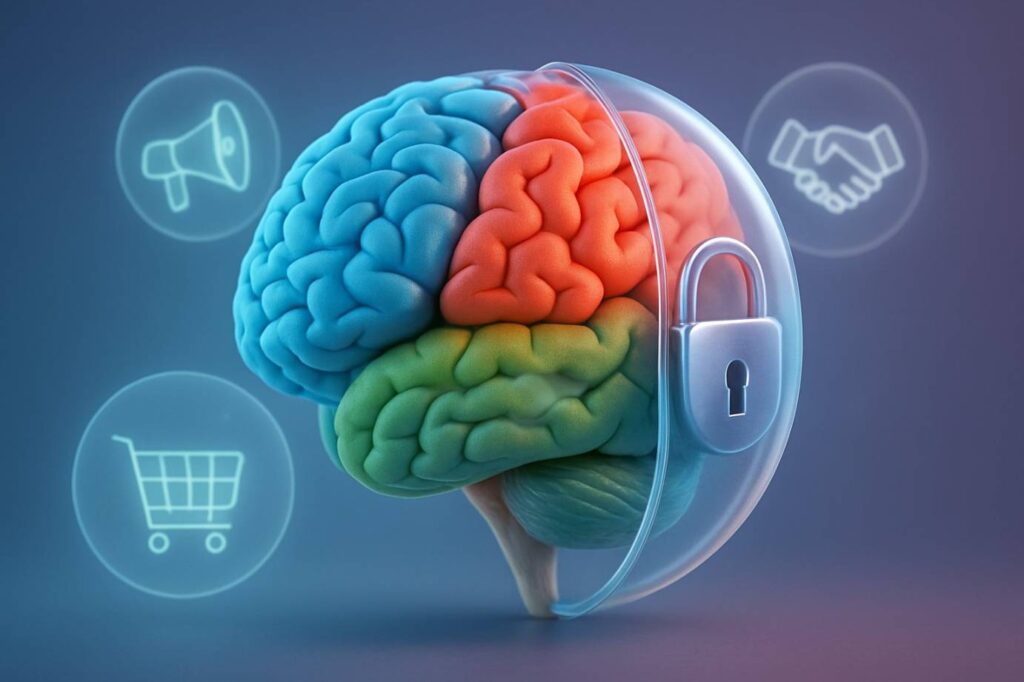
Consumer Experiences and Cultural Influences
Personal Encounters and Memory
Hands-on use shapes long memories. A laptop that crashes during exams becomes a warning sign. That sign tells the buyer to stay away next time.
Cultural and Community Norms
Local values set standards. Communities that value intellectual and aesthetic pursuits may avoid brands that seem purely utilitarian. Religious and social rules can also limit brand choices.
Performance Risk and Functional Needs
High-Stakes Categories
Health, finance, and travel carry high risk. A failed medication reminder app can damage trust in the brand behind it. People will stick with a less fancy but proven option, especially in extended problem solving situations.
Basic Function Gaps
Products that miss core tasks face harsh judgment. A waterproof jacket that leaks loses trust fast. Once the core promise breaks, recovery is steep.
Social and Environmental Pressures
Peer and Online Influence
Group chats, forums, and ratings shape views at speed. A viral complaint can set a narrative for years. People trust peers more than ads, often seeking the correct answer from their social circle .
Environmental and Economic Context
A shift in fuel prices can drag auto brand images. A focus on waste can harm brands seen as careless. Macro changes amplify old doubts.
Get ready to unlock proven methods to reframe negative customer attitudes!
Work with Growth Hackers
Measurement and Identification Limitations
Survey and Response Bias
People give answers that sound open-minded. They may say they will try the brand but never do. This gap misleads teams.
Layers of Attitudes and Behavior Gap
A person can like a product, dislike its service, and question its ethics. These layers pull in different directions. Stated attitudes do not always match purchases.
Sampling and Timing
Who you ask and when you ask matter. A survey during a service outage will skew negative. A holiday season spike can hide deeper issues.
Impact of Brand Reputation
Crises and Digital Permanence
Recalls, scandals, or safety events can crush trust fast, causing consumers to become less interested in a brand . Online posts and news live on for years. New buyers see the stain before the fix.
Competitive Exploitation and Category Spillover
Rivals may highlight your weak spots, making it harder to attract potential customers . A problem in one brand can taint the whole category. Every player pays a price.
Recovery Timelines and Cost
Rebuilding trust takes steady proof and investment. Better products, stronger service, and clear communication must line up. The payoff comes slowly.
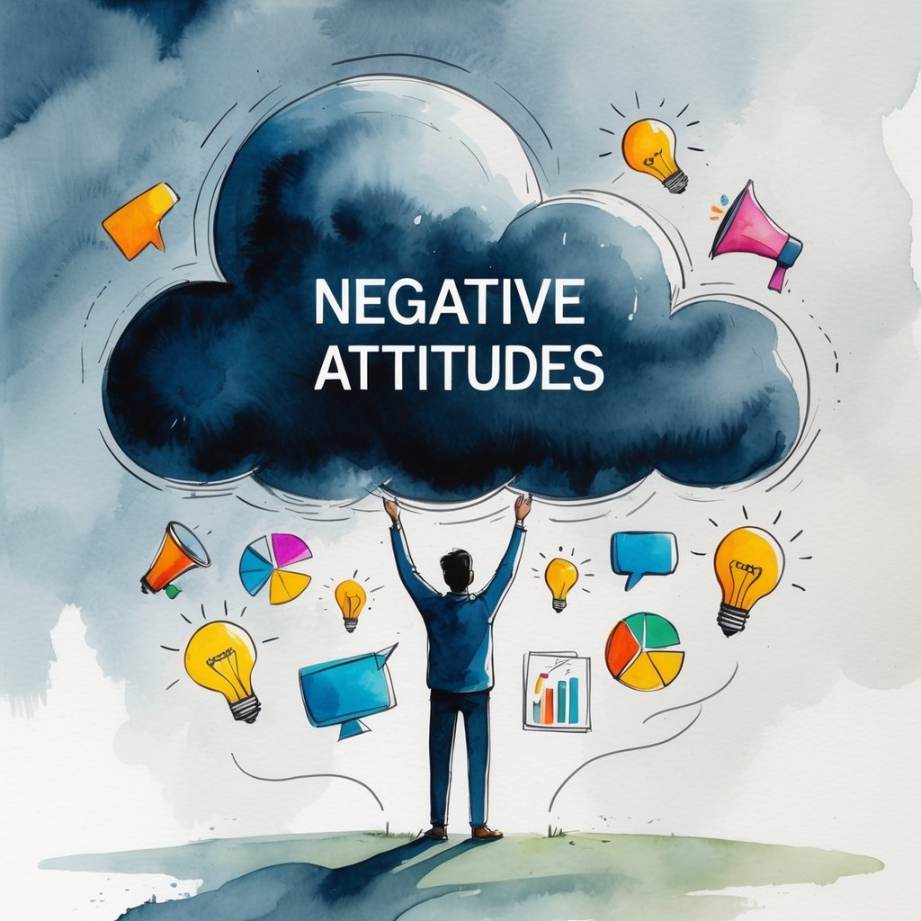
Approaches and Strategies for Marketers
Brand Repositioning
Start with a clear diagnosis of the pain points. Fix product issues that caused the damage. Show proof through warranties, third-party tests, and transparent data.
Refresh visuals, voice, and packaging to signal change. Adjust pricing to reflect value or accessibility goals. Pick launch moments that align with real improvements, not just new ads.
Emotional and Influencer Marketing
Use stories that show real users solving real problems. Focus on moments that matter, like safety, comfort, or pride. Avoid hype terms and make claims verifiable.
Work with creators who fit the audience and speak plainly. Micro-creators can drive trust with tight communities. Invite user photos, short clips, and honest reviews to seed social proof.
Direct Customer Engagement
Answer complaints fast and close the loop. Give support teams clear power to make things right. Public fixes show other shoppers that you listen.
Collect feedback and act on it. Share release notes and changelogs in simple language. Build loyalty benefits that reward second chances and continued use.
Offer guidance that clears up myths and misuse. Use short how-tos, quick demos, and side-by-side comparisons. Keep the tone calm and factual.
Final Thoughts on Negative Attitudes Are Typically Difficult for Marketers to Change Because
Negative attitudes are typically difficult for marketers to change because they are built on strong beliefs, emotional experiences, and social influence. Attitudes shift consumers in powerful ways, creating mental shortcuts that guide buying decisions and block competing information. The longer they remain, the harder they are to shift, even with strong marketing campaigns.
Success in shifting these attitudes happens when marketers focus on addressing emotional triggers and delivering genuine value. It is a slow process, but the right approach can rebuild trust and open the door for positive brand perception.
Shifting deep-rooted negative perceptions is no small task, but it’s possible with the right strategies and execution. If you want to strengthen your brand and overcome audience resistance, it helps to partner with experts who understand how to tackle these challenges.
Growth Hackers is a leading digital marketing agency that specializes in helping brands reshape public perception, rebuild trust, and drive measurable results. We have a proven track record of crafting campaigns that connect emotionally with audiences and turn skepticism into loyalty. Our team combines strategic messaging, creative storytelling, and data-driven execution to deliver results that stick.
If you’re ready to move past audience resistance and position your brand for sustainable growth, contact Growth Hackers today for a free audit.