The sales team is chasing leads that aren’t ready, and the marketing team is generating interest that doesn’t convert. Both are working hard, but not in sync, and that disconnect leads to missed opportunities. According to MarketingProfs, companies with strong sales and marketing alignment see 36% higher customer retention and 38% higher sales win rates. When both teams pull in the same direction, results follow.
Aligning sales and marketing teams is key to driving better results, and Growth Hackers offers some great strategies to help you achieve this. You can significantly boost your success by fostering collaboration, sharing goals, and improving lead targeting. When sales and marketing teams align their efforts, organizations can quickly adapt to emerging threats, deliver a consistent message about security, and establish themselves as trustworthy partners in protecting sensitive information.
Conversely, when these teams operate in isolation, they risk weakening credibility, hindering crisis response, and eroding customer trust. Consistent communication about cybersecurity, a willingness to share insights, and unifying crisis management protocols are all part of ensuring your company can mitigate risks effectively.
Consider whether your marketing alignment plans are strong enough to enable sales teams to pivot rapidly under pressure from security or reputation issues. If unsure, it could be time to improve your strategy by encouraging closer teamwork and enhancing your lead generation strategy. Combining real-world knowledge with tailored advice you can apply to enhance revenue, provide a flawless customer experience, and survive against new digital dangers will strengthen that relationship.
Understanding the Importance of Alignment
The essence of marketing alignment is bringing your sales and marketing teams together to concentrate on the client’s whole journey. Many companies still run in silos, nevertheless, with every staff member working toward different goals.
I saw this firsthand while consulting at BMW Group… one of the world’s most respected luxury brands. Even with all their resources and brand strength, their sales and marketing teams were operating in silos, each with their messaging.
You can get stronger leads, and better conversion rates by aligning shared goals and a unified view of customer data, as well as introducing targeted tools to generate leads.
That experience showed me something important: in complex B2B environments, coherence isn’t just nice to have—it’s essential.
It’s pretty telling that many organizations now see digital transformation, including better sales and marketing alignment, as essential for success. Tom Fishburne, a well-known marketing thinker, said, “The marketing funnel can give marketers funnel-vision. In focusing on the transaction over the relationship, marketers can lose sight of the actual consumer the funnel was designed to reach”. In other words, when we chase short-term sales goals, it’s easy to forget about building lasting customer relationships. And if sales and marketing aren’t aligned, those opportunities to connect can easily slip through the cracks.
One strong example is how Cognism approaches account-based marketing (ABM). Their sales and marketing teams stay closely aligned by sharing KPIs and leveraging data to build highly targeted, behavior-driven campaigns. This collaboration helps deliver a steady flow of qualified leads to sales while keeping both teams focused on the same objectives. It shows what’s possible when alignment is done right.
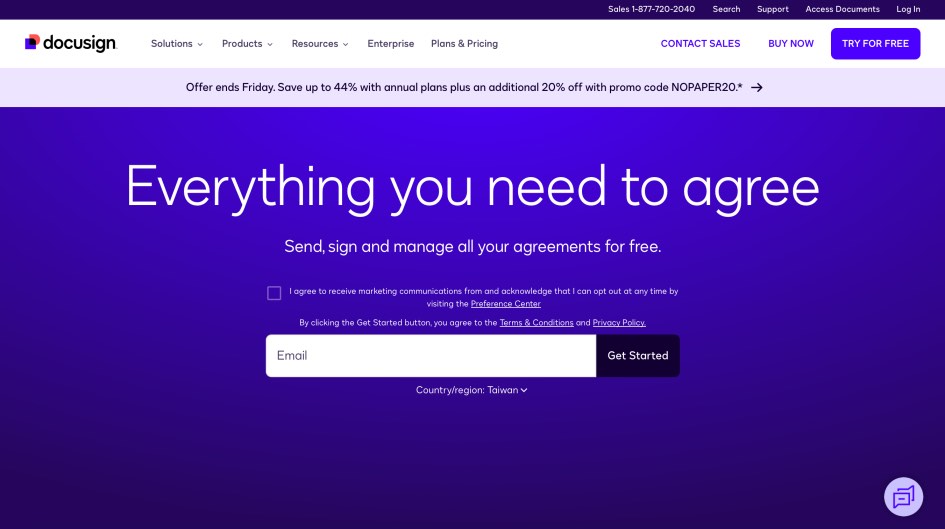
Another example is how DocuSign demonstrated exceptional alignment between marketing and sales by targeting enterprise prospects across multiple buyer personas with personalized ads and landing pages. This approach led to a significant increase in engagement and sales opportunities, resulting in a 59% rise in engagement, a 300% boost in page views, and 18% of target accounts converting into real opportunities. When marketing and sales collaborate seamlessly, the impact on growth is measurable and significant.
Too often, organizations fall short simply because their teams aren’t aligned. There’s no clear set of shared goals, and communication tends to break down.
My advice? Take a good, honest look at how your teams work together. Identify where the gaps are, create common goals, and make sure everyone sees how their work contributes to the bigger picture. When sales and marketing start speaking the same language and pulling in the same direction, the results go far beyond short-term wins. You’ll build stronger customer relationships—and lay the groundwork for long-term, sustainable growth.
Benefits of Alignment
When sales and marketing teams are in sync, everything just clicks. Conversations flow more easily, the handoff from one team to the other feels natural, and customers notice the difference—they feel understood, not just sold to. It’s not only about getting internal processes right; it’s about building a journey that feels smooth and personal from the very beginning.
BMW Group is a great example. Even with all the strength of their brand, they ran into some familiar issues—teams working in silos, confusion over who owned what, and leads slipping through the cracks.
But things change when you sit down, align on shared goals, and started communicating.
Cleanup processes, define who is responsible for what, and focus on the full customer experience.
The result? A more connected team, a better buying journey, and stronger business outcomes. It shows that when people come together around a shared purpose, real change happens.
Technology has quietly become the backbone of strong sales and marketing collaboration. When teams have access to shared platforms and tools, everyday tasks become easier, and working together feels more natural. Everyone is on the same page, using the same data, and moving toward the same goals.
Marketing expert Chris Brogan once said, “Marketers need to build digital relationships and reputation before closing a sale,” and that really gets to the heart of it. It’s not just about chasing numbers; it’s about creating connections. And to do that well, sales and marketing need to be in sync, sharing insights, responsibilities, and a common purpose.
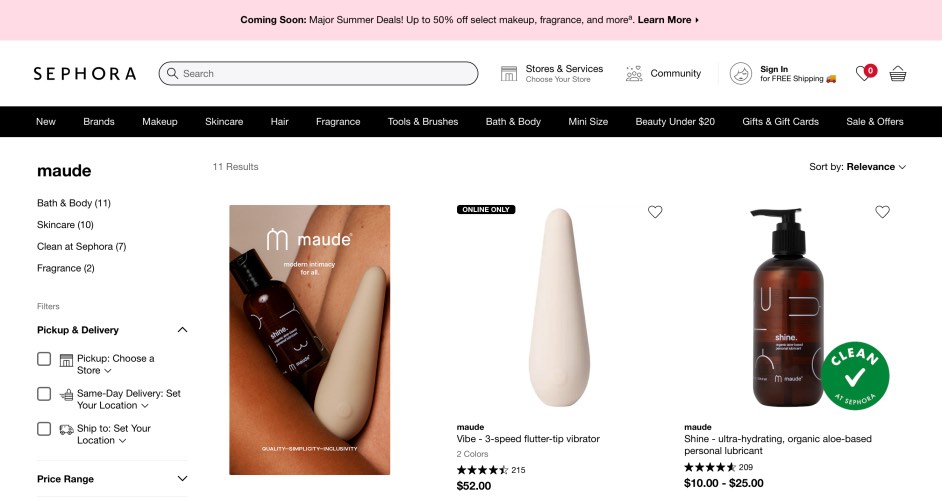
Brij helped Maude align its sales and marketing by centralizing customer engagement data through QR code interactions. This gave both teams a shared view of customer behavior, enabling marketing to tailor content based on real-time insights and sales to prioritize high-engagement regions and leads. The unified system also helped generate more accurate lead lists by tracking who engaged with the brand post-purchase, improving follow-up efforts. With consistent global messaging, streamlined experiences, and smarter lead targeting, Brij bridged the gap between retail and direct-to-consumer, ultimately strengthening sales and marketing alignment.
If you really want to grow, you must bring people and processes together around a shared vision. That’s where the magic happens.
Want to transform your outcomes with smart sales and marketing alignment?
Contact Growth Hackers
Challenges in Achieving Alignment
Despite the clear benefits, uniting sales and marketing often proves challenging. The core issues usually involve vague objectives, poor communication between sales teams, and disjointed data systems.
If you’ve ever found yourself in a situation where sales complains about lead quality while marketing insists those leads are solid and should be converting, you’re not alone. That kind of tension is often a sign that the lead generation strategy isn’t aligned across teams. More often than not, it stems from disconnected workflows and a lack of shared visibility into what’s happening at each funnel stage.
It’s not about pointing fingers—it’s about fixing the foundation. When sales and marketing don’t collaborate on a unified lead generation strategy, both sides end up working harder but not smarter. But when they come together with shared goals, open communication, and a cohesive plan, they can create a strategy that not only brings in leads but also the right ones.
Insufficient data sharing only makes these challenges worse. In today’s digital-first world, teams are juggling more touchpoints than ever, but without a shared view of the data, marketing and sales often work from incomplete stories. That’s when confusion sets in, and opportunities slip through the cracks.
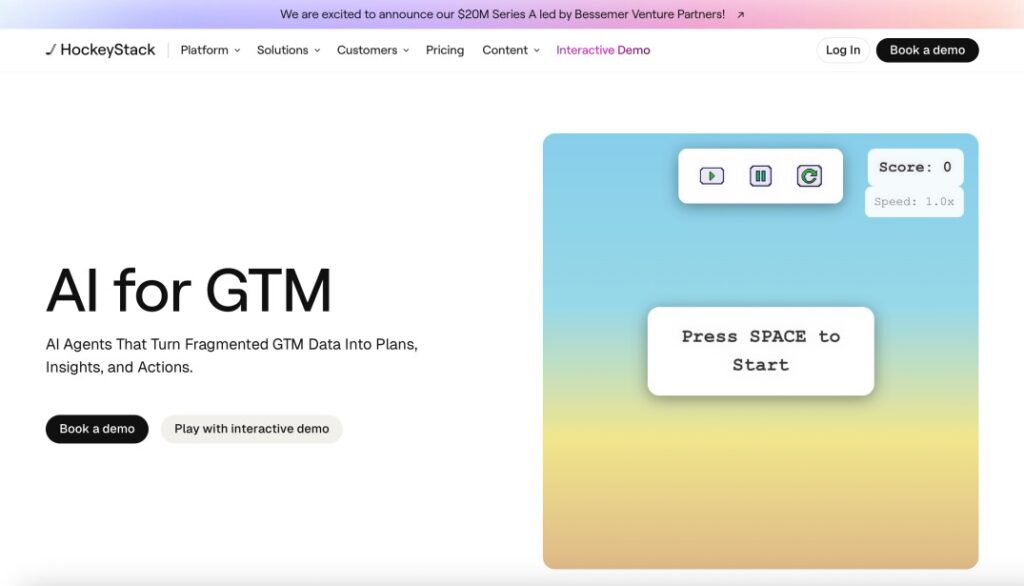
Take Cognism, for example. It utilizes HockeyStack’s platform to enhance its marketing attribution and analytics capabilities. By unifying data from both sales and marketing, HockeyStack provides end-to-end visibility into the customer journey. This alignment helps Cognism connect marketing efforts to pipeline and revenue, bridging the gap between impressions and sales outcomes.
One of the biggest challenges is changing how different departments think and work. In many organizations, marketing focuses on the product, while sales is about building relationships. These siloed approaches can make getting everyone on the same page tough. Bridging that gap takes time—and it doesn’t happen overnight. It requires open communication, strong leadership support, regular planning sessions, and a shared focus on optimizing your sales funnels. When teams align around the same goals and understand how their efforts feed into the bigger picture, real progress starts to happen.
I’ve seen how easy it is for teams to get bogged down by too many disconnected tools—everything feels scattered, processes get repeated, and the data doesn’t always tell a clear story. What’s made a real difference for us is being intentional about the platforms we use, ensuring they integrate well and supporting collaboration throughout the buyer’s journey.
It’s about more than just tools. It’s about aligning around shared goals, speaking the same language, openly sharing data, and creating a culture where teamwork matters more than protecting turf. When we’ve done that, things start to click, and growth feels manageable.
Setting Common Goals
I’ve seen the chaos when sales and marketing work off two completely different scripts. It’s like watching two teams trying to win the same race but heading in opposite directions. Setting shared goals has been a game-changer—it’s the first real step toward getting everyone in sync. When both sides agree on what success looks like, it creates a unified mindset. Instead of spinning in circles, everyone starts rowing in the same direction—and that’s when the real progress happens.

Defining Shared KPIs
I have learned about true marketing alignment the importance of defining clear, shared KPIs. Without agreed-upon milestones—whether revenue targets, conversion rates, or customer lifecycle metrics—sales and marketing can end up chasing different goals that don’t quite fit together. Getting everyone on the same page with these key measures helps keep both teams focused and moving forward.
Look at what happened with BMW Group. Before aligning their metrics, marketing was focused mainly on branding, while sales cared most about getting immediate, high-quality leads. Once they adopted shared KPIs—tracking lead throughput, pipeline speed, and closed deals—they sharpened their focus, sped up the sales cycle, and improved lead quality.
Another example I’ve found compelling is DocuSign. Their ABM strategy tracks the entire buyer journey, blending marketing metrics, such as email open rates, with sales results like pipeline growth and closed deals. By aligning these KPIs, they keep marketing and sales working hand-in-hand, driving some truly impressive returns.
How do I get started? Bring leaders from sales and marketing together, brainstorm KPIs that really matter, and make sure they tie back to your bigger business goals. Keep the conversation open so you can tweak those metrics as things change. When you do this, measurement becomes more than just numbers—it builds accountability, transparency, and stronger respect between the teams.
Understanding Lead Definitions
Have you ever handed off leads to your sales team, only to hear they’re “not ready”? It’s a common frustration—and usually, it comes down to a lack of clarity around what makes a Marketing Qualified Lead (MQL) or Sales Qualified Lead (SQL). When those definitions aren’t clear, good opportunities can fall through the cracks or get written off too soon.
At Bayer AG, leads often stalled because sales felt unprepared. The fix? Clear definitions. Attending a webinar or downloading a guide marked someone as an MQL; multiple demo requests signaled an SQL. With marketing and sales aligned, engagement improved, and the sales process sped up.
Likewise, Skylead shows how lead definitions can seamlessly merge with outreaching on LinkedIn. By assessing which engagements or interactions qualify as mid-funnel or bottom-funnel, they ensure that the sales handover is timely and effective once a prospect shows high intent. Clarifying these definitions eliminates confusion, boosts pipeline efficiency, and fosters greater trust between departments.
Clear definitions help marketing avoid passing along unready leads and keep sales from missing real opportunities. If your teams aren’t aligned on what “interested” vs. “ready to buy” means, it’s time to define and document those differences.
Collaborative Planning
Shared metrics and definitions are just the beginning—true alignment comes from planning together. Regular check-ins, content strategies that support sales goals, and co-created campaigns help keep both teams in sync. The more transparent the process, the stronger the buy-in from both sides.
When I worked with SAP SE, their marketing and sales teams were out of sync—marketing would launch campaigns without real-time input from sales, and sales often felt blindsided by unexpected messaging. To fix this, we set up collaborative workshops where both teams planned launches, lead nurturing, and follow-ups. Aligning marketing’s creativity with sales’ revenue goals reduced friction, sped up conversions, and created a smoother customer journey.
Take DocuSign’s ABM project—marketing and sales teamed up early to create personalized content with consistent messaging. The result? A big jump in engagement and qualified leads. The takeaway is that when both sides plan together, marketing has more impact, and sales get the tools they need. It’s all about shared ownership—less waste, better results, and a smoother path to the customer.

Shared Tools and Processes
The biggest roadblock to alignment occurs when marketing and sales use different tools to reach the same customer. Separate CRMs, scattered analytics, and mismatched content systems create confusion. Without integrated workflows, even well-meaning teams can end up working in silos.
Implementing Shared Tools
More and more organizations are speeding up their digital transformations, eager to leverage technology for better operations. However, simply adopting advanced platforms isn’t enough if marketing and sales don’t use the same data. To truly sync up, you need a unified CRM system that gives both teams a clear picture of where each lead stands in the pipeline. Pair that with a content management platform that keeps everything in one place—brochures, email templates, and more—and you set the stage for smoother collaboration and better results.
Deutsche Telekom AG, Deutsche Telekom AG faced challenges from fragmented marketing tools and siloed systems that slowed lead tracking and collaboration. Their “Smart Marketing” initiative unified lead data in a shared CRM and combined campaign insights into one dashboard, helping marketing see which funnels close deals and sales track lead origins. This alignment improved productivity and made it clear how each team contributes to growth, showing that unifying tools is key to using data for reliable success.
Take DocuSign, for example. They combined CRM, content storage, and marketing automation tools to simplify their account-based marketing efforts. Whether personalizing landing pages or spotting key engagement signals, having a shared software environment lets both teams plan, execute, and track results together in real time.
If you’re adopting integrated tech like this, keeping updates, feedback, and collaboration simple and smooth is important. That way, new features or insights don’t get stuck in silos—they become useful for everyone. When marketing and sales share a common digital workspace, they can jump on new opportunities faster and work more effectively as a team.
Streamlining Lead Handoffs
Even the best leads can stall if the team handoff isn’t smooth. Think of it like a relay race—marketing needs to confidently pass well-qualified leads to sales without delays or confusion.
At BMW, reworking their lead handoff process was a game-changer. By integrating marketing data that tracked user engagement, sales only received leads that were truly ready to move forward. This meant sales could jump in quickly with prospects actively looking for solutions, boosting conversion rates and cutting down on wasted effort.
On the other hand, DocuSign highlights how important personalization is for smooth transitions. Marketing creates tailored content for specific ABM segments so that the conversation picks up naturally when leads move to sales. This approach not only builds trust but also speeds up the sales cycle.
The main lesson? Set up clear, formal processes that define exactly when a lead should move from marketing to sales, what data needs to come along, and how teams communicate to avoid hiccups. When your handoff process is sharp and well-defined, you cut friction, close deals faster, and give customers a better experience.
Content Collaboration
Is your content strategy just about churning out materials and hoping something sticks? If so, it’s time to rethink your approach. Effective content collaboration ensures that marketing assets truly reflect real sales conversations. When teams brainstorm regularly, they bring actual customer challenges to the table—helping marketing create content that speaks directly to the questions, pain points, and roadblocks sales face in the field.
SAP SE faced a challenge where regional sales rarely used marketing content. By holding content co-creation sessions, marketing learned what resonated with decision-makers, and sales found materials matching client concerns. This feedback loop ensured every piece of content had a clear purpose tied to the buyer’s journey.
Intel’s “We Are Intel” Instagram series, created with sales input, offers authentic, behind-the-scenes stories that humanize the brand and connect with buyers. From my experience, effective sales-marketing collaboration around content makes messaging more relatable and helps brands stand out.
Whether it’s whitepapers, case studies, or even social media posts, content is the conversation starter. If that conversation aligns with how your salespeople engage in real time, you’re more likely to build trust and incrementally guide leads through the funnel.

Unlock your business potential with aligned sales and marketing efforts.
Work with Growth Hackers
Customer Insights and Ideal Customer Profiles
Operating without clear customer insights is like sailing in the dark—no matter how strong your sales and marketing efforts are, you risk running aground. Defining your ideal customer profile (ICP) helps you set a clear course and focus on the prospects that really matter.
Developing Ideal Customer Profiles
ICPs outline the key traits of your best customers—their size, budget, pain points, decision-making habits, and more. Creating these profiles means digging into customer data, market research, and getting input from both marketing and sales. Without insights from both teams, you risk missing important details.
For example, BMW refined its ICPs by focusing on fleet management needs and corporate buying policies, which led to a big boost in business conversions. DocuSign took a similar approach, identifying different buyer personas within enterprise accounts and tailoring campaigns to their unique concerns. The result? A surge in high-quality opportunities.
Instead of treating your Ideal Customer Profiles (ICPs) like fixed, one-and-done documents, think of them as living, breathing guides that grow and change with your business. Markets evolve, new industries pop up, and your customers’ needs shift over time. By keeping your ICPs dynamic and up-to-date, you make sure your marketing stays fresh and relevant, and your sales team can pursue leads with real confidence. It’s all about staying adaptable and connected to what really matters.
Utilizing Customer Insights
Understanding your customers isn’t just about knowing who they are—it’s about getting why they really need what you’re offering. When you bring together insights from your CRM, website data, and honest feedback straight from your customers, you start to see the full story of their journey. That clarity helps you tell stories that actually connect, send the right message at the right time, and gently guide curious prospects into becoming loyal fans. Plus, by leveraging growth hacking strategies, you can test new ideas fast, figure out what works best, and grow your business in smart, creative ways.
SAP SE found a clever way to bring their marketing and sales data together in one place, so they could see exactly how potential customers were researching solutions. With that info, marketing was able to create really focused content that spoke directly to what people were looking for. At the same time, sales got real-time updates that helped them adjust their pitches and follow-ups right when it mattered most. This teamwork between marketing and sales not only sped up the sales process but also made prospects feel understood and valued every step of the way.
Intel gets that B2B buyers connect with authentic, human stories—showing real employees and real user experiences helps make their brand feel genuine. This kind of honesty builds trust and warms up leads, making sales conversations smoother.
But collecting the right data is just the start. The real win comes when teams use that data in the same way—shaping campaigns, sharpening messaging, and focusing follow-ups. The result? Marketing reaches out smarter, and sales gets warm, ready-to-engage leads.
Enhancing Customer Experience
Does your customer’s journey feel like one smooth story, or just a bunch of disconnected moments? When sales and marketing work together using ICPs and real-time customer insights, they can create a consistent, positive experience at every step.
Take Bayer AG—they found that bringing feedback and CRM data together helped them improve how they onboard new B2B clients. By tracking every marketing touch and sales conversation in one place, they fine-tuned their follow-up approach, turning new customers into loyal partners. This close connection not only boosts revenue through expansions and renewals but also strengthens their reputation in the market.
Content builds relationships. Relationships are built on trust. Trust drives revenue. When you deliver consistent, data-driven experiences across every channel—from that very first ad to the final sales handshake—you build real trust. And that trust creates a clear, powerful story about your brand that boosts engagement and loyalty.
As the digital world keeps evolving, standing out means giving your customers a personalized, smooth experience without the usual hiccups. By getting your teams aligned around strong ICPs and deep insights, you’ll be ready to meet changing needs and keep your customers confident in what you offer.
Closing Thoughts on How to Align Marketing and Sales Strategies for Success
Getting sales and marketing on the same page might feel like a challenge, but with the right approach, it’s completely achievable. When both teams align around shared goals, communicate openly, and focus on customer needs, the impact is clear: better conversion rates, stronger loyalty, and a brand ready for anything.
Now’s the time to act. Set mutual objectives, identify your ideal prospects, build real connections through LinkedIn, and use smart tools to keep your pipeline strong and steady.
Struggling to gain traction with leads or sales? Ready to elevate your brand and drive meaningful growth? That’s where GrowthHackers comes in. We’re not just a growth agency—we’re your hands-on partner. From strategy to execution, we deliver fast, reliable, and scalable results that move the needle.
Let’s unlock your growth potential. Connect with Growth Hackers today.