From a sales perspective, it’s about recognizing how to turn new prospects into loyal advocates of the brand. A customer service team uses the flywheel to drive customer happiness in a way that develops successful customers while taking suggestions for product improvements.
The Flywheel thinking model can also be applied in other departments. Whether you are just starting or have a long history, our goal here is to discuss how these methods can focus your finances and overall efficiency. Companies that are willing to apply flywheel thinking are dedicated to creating lifetime value, customer advocacy, all while improving the company’s budget at the same time.
What is the Flywheel Model?
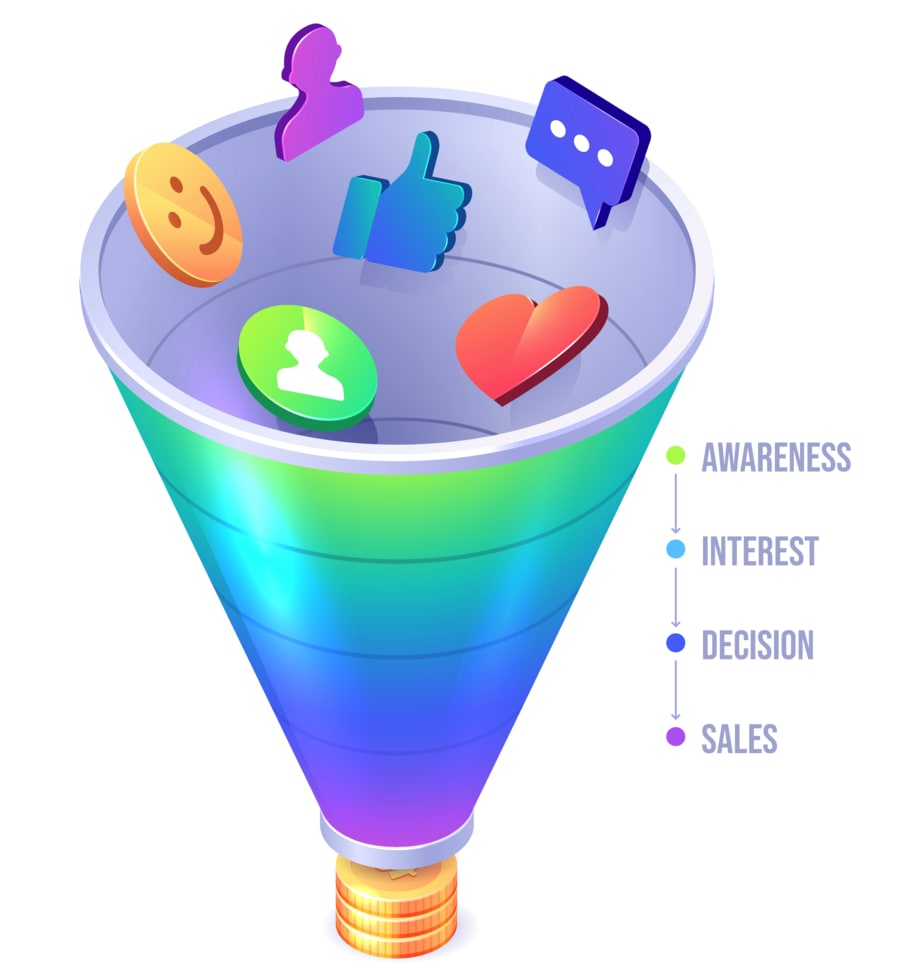
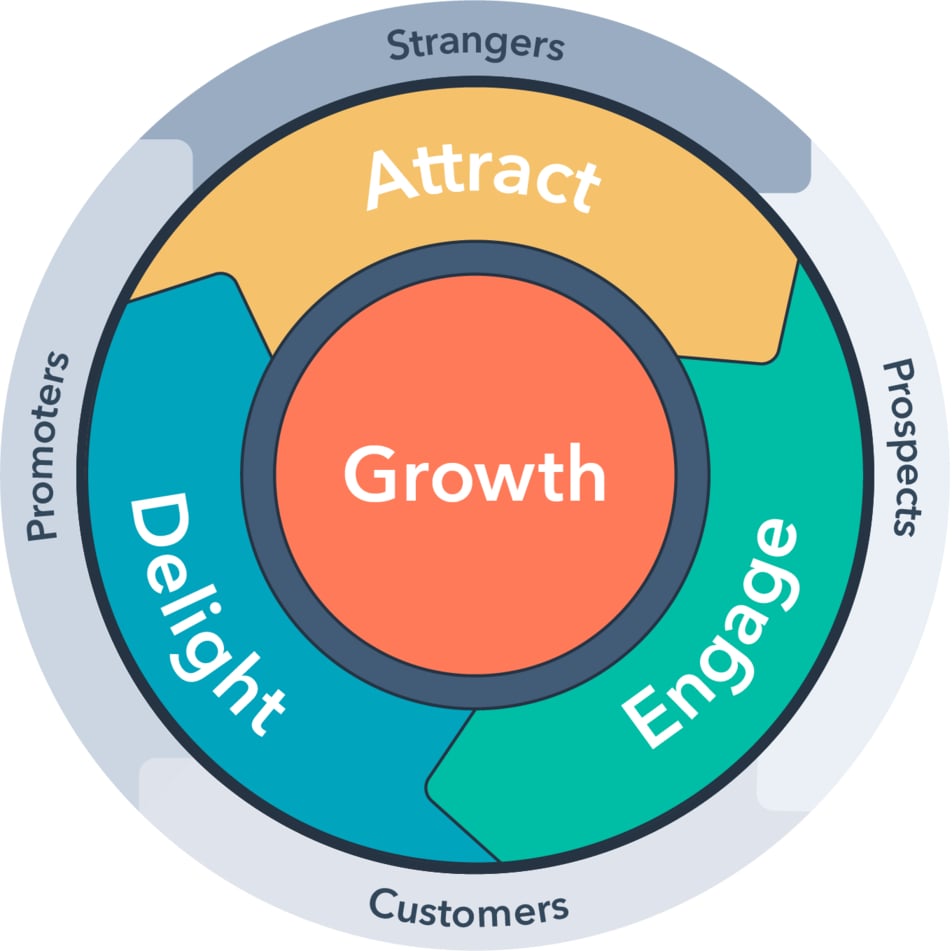
A flywheel approach is similar to a funnel model often seen in sales or marketing departments. Where a funnel represents the different stages of the customer journey, the central theme of the wheel is customer satisfaction and how it fuels growth. At Growth Hackers, we helped dozens of startups, small and medium-sized businesses replace outdated funnels with flywheels, turning loyal customers into engines of unstoppable growth.
Top marketers and sales leaders believe existing customers are often a more reliable means of growing revenues than new customers and have been refocusing efforts to better serve this segment. Many have decided that traditional funnels are outdated and have switched entirely to a flywheel model.
Flywheel success is created by applying force in the areas of maximum impact. Forces are programs that accelerate the flywheel such as offering more customer discounts or creating innovative ways to better solve customer problems. Friction on the other hand slows down a company’s strategy in that it works against the customer.
Apply the flywheel thinking model to your company’s budget
Contact Growth Hackers
Flywheel Model vs Sales Funnel
For years businesses built strategies around marketing or sales funnels. Today, customer referrals, word-of-mouth, and reviews have become a primary influence in buying decisions. Independent research is often done before speaking to a member of your sales team. This causes problems within the funnel and overall budget decisions.
This isn’t to say that funnels don’t work anymore, and it cannot be said that there are certainly correct answers. These changes in mentality engage new customers more effectively than using a traditional marketing funnel.
The flywheel model represents a more comprehensive, unified form of representing the forces that affect your company’s growth. A flywheel is a mental model that combines these customer-centric forces while focusing your budget to serve growth opportunities.
Why is the Classic Sales Funnel Being Retired?
The traditional sales funnel visualizes the steps of the buyer journey while also predicting that fewer people will take action at each step. The funnel approach relies on the previous step to push a prospect closer to a decision. There is a risk that a decision isn’t made until the final stages of the funnel if at all and many are lost along the way.
To address these doubts, a flywheel allows for a comprehensive representation of the customer journey in a changing marketplace to focus solely on managing the customer experience. At Growth Hackers, we turn rigid funnels into flywheels, transforming your customer journey into a seamless, self-driving engine of growth.
Funnels also are not particularly team-specific. Whereas flywheels are designed to cover the entire customer interaction across departments. The modern consumer wants to gather their knowledge and to make their own buying decisions without being pushed in a particular direction.
Flywheel Model Factors
• Attract
This will attract new business and paying customers to your brand. Provide relevant content to the right audience, don’t just attempt to make as much money as possible in a short time. Not only does this help your marketing team gather information and attract new prospects but can aid your overall budget.
When one of our B2B SaaS clients focused only on quick wins, Growth Hackers shifted their approach to attraction-based content and within 4 months, qualified leads and revenue grew steadily.
• Engage
Engagement is achieved by creating a strong relationship with clients throughout the buyer’s journey. A short-term marketing ploy is just that, short-term. Businesses should understand their clientele, their motivation, and their motivational pain points. If companies understand the market, they can supply the solutions they are looking for and create repeat sales.
Before partnering with Growth Hackers, many startup founders and business owners relied on fleeting marketing tactics but after we helped them implement our engagement strategies, clients became loyal partners driving sustainable growth.
• Delight
Delight brings joy along your customer’s journey and makes sure you and your customers are on the same page which drives growth. It involves offering a compelling experience for which to promote your brand. This empowers people to become advocates.

Applying Flywheel Thinking to Your Company’s Budget
If you’re allocating resources to areas that drive customer experience, you’re already on the right track. It’s important here to allocate based on providing superior customer responsiveness and efficiency. Marketing and sales should always find ways to attract, engage, and delight customers. When you have the flywheel spinning without much friction, growth will follow.
However, if you feel that there is some friction, you can invest in other areas that drive customer experience. More customer discounts or loyal programs as examples can grease the wheels enough to relieve any aforementioned friction. It’s important to note that there is no single correct answer as this will depend on your business. Investments don’t need to be evenly distributed but channeled into whatever drives your customer’s happiness.
Let’s look at four instances in which we can directly apply flywheel thinking to your budget and financial strategy:
• Sufficient Start-up Capital
• A Large and Efficient Flywheel
Do you want to integrate the flywheel thinking model to your company’s budget?
Work with Growth Hackers
• The Lean Startup Approach
• Isolated Creative Thinkers Working Independently with a Shared Vision

Improving Your Overall Budget With a Flywheel Model and Mentality
You should evaluate your marketing budget quite often. By implementing the right flywheel model, you won’t need to be too salesy to bring more customers in. Thanks to the inbound methodology, they will come through customer word of mouth and your sales process will become more efficient.
Flywheel thinking seeks to turn new customers into loyal fans, develop product improvements, and streamline revenue generation while keeping existing customers. Whether you’re looking to create customer delight from new customers or existing ones, it’s about nurturing a relationship between your clients and your organization and watch your flywheel spin.
These strategies usually take more time to reap the benefits because of how long it takes for businesses to get their flywheel started. There may also be a learning curve for your sales or support teams.
Flywheel thinking can help create a better product/service, help improve customer feedback, and drive customer happiness. If flywheel strategies are not currently being used by your company, then we might recommend that you allocate resources and start building a foundation to adapt flywheels strategies for the entire company into your daily routine.
Flywheel thinking is not only limited to marketing and sales or simply applying more customer discounts. It should be applied in all areas and departments to create a vision and help allocate resources for a company’s budget. Apply flywheel thinking in multiple areas throughout your business and reap the benefits of long-term happy customers.
With Growth Hackers, we help businesses from all around the world. We don’t just stop at brand awareness and exposure, we work on their lead generation and sales processes so they can build strong brands while increasing their revenue and profits. Do you want your brand to strive, succeed and within your budget?