The global apparel market is projected to reach $2.5 trillion by 2033, yet most aspiring founders never move past the sketchpad. How do you transform a creative spark into a scalable business without drowning in overhead?
Most entrepreneurs fail because they chase aesthetics while ignoring the unit economics and market validation required for survival. This guide breaks down exactly how start clothing line operations from scratch, providing the 6 tactical pillars you need to build a brand that commands attention and generates real profit.
1. Start a Clothing Line by Finding Your Profitable Niche
Launching a clothing line requires $800 to $10,000 initially, depending on models like Print-on-Demand or Cut-and-Sew. Success hinges on precise niche identification through social listening and validating concepts via digital mood boards before manufacturing.
Finding a gap in the market is the difference between a brand that scales and one that stays in the garage.
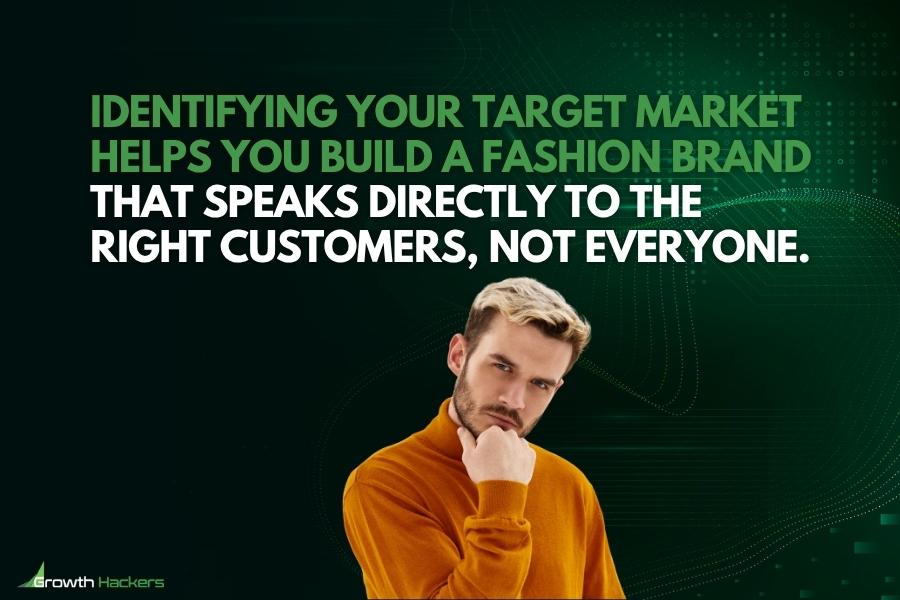
Identifying a target market with zero budget
Use social media listening to track real conversations. Monitor competitor comment sections for recurring complaints. These gaps represent your first real market opportunities.
Free digital tools like Google Trends provide raw data on emerging styles. Analyze hashtag velocity on TikTok and Instagram. Growth Hackers uses these signals to predict demand shifts with 85% accuracy.
Map out where your potential customers hang out online. Focus on niche forums and specific Reddit communities for feedback.
Avoid broad categories like activewear. Instead, target sustainable yoga gear for commuters. Specificity wins when your marketing budget is zero.
Actionable Research Tips
Use Google Trends for style data, monitor competitor social media comments for gaps, and use niche Reddit forums for direct audience feedback.
Analyzing psychographics over broad demographics
Stop focusing solely on age or location. Modern brands thrive by understanding customer values and lifestyle choices. What does your buyer believe in? That matters more than their zip code.
Identify specific pain points in current market offerings. Maybe clothes fit poorly or fabrics feel cheap. Solve one specific frustration to build immediate brand loyalty and authority in your space.
Map the buyer journey for your ideal persona. Where do they discover new brands? How do they justify a purchase? Understanding these triggers allows for sharper, more effective messaging.
Psychographics allow for emotional connection. People don’t buy products; they buy better versions of themselves. Focus on that transformation.
Validating your concept without professional design skills
Create initial concepts using simple mood boards. Tools like Canva, Behance, Dribble, Nano Banana or Pinterest are sufficient for early stages. You don’t need to be a master illustrator to start. Focus on the vibe, color palette, and core silhouette of your first collection.
Gather feedback from online communities to test demand. Post your concepts in fashion groups. Ask for honest critiques before spending a single dollar on samples or bulk production.
Deep industry expertise is not a prerequisite. Many successful founders started with just a vision. Passion often outweighs formal training.
Use digital sketches to communicate with manufacturers. Clear visuals bridge the gap between your idea and a physical product.
2. Build a Bulletproof Business Foundation | 3 Steps to Follow
Once the niche is validated, you must anchor your vision in a solid legal and financial framework to avoid early collapse.
1. Choosing the right legal structure for scalability
Compare different business entities for long term growth. An LLC often provides the best balance of protection and simplicity. Consult a professional to ensure your personal assets remain completely safe.
Structure Comparison
Choosing between an LLC (or SARL/SASU) and a Sole Proprietorship impacts your personal liability and tax flexibility significantly as you scale.
Outline the legal requirements for your apparel business. Register your business name and obtain necessary permits. Compliance early on prevents massive headaches once the sales start rolling in daily.
Address intellectual property protection for original designs. Trademark your logo and brand name immediately. Protecting your creative assets is non-negotiable in the highly competitive and copycat fashion industry.
- LLC for liability protection
- EIN for tax purposes
- Sales tax permit for retail
- Trademark for brand name
2. Calculating startup capital and overhead costs
Provide a realistic breakdown of investment needs. Inventory usually consumes 50% of your initial budget. Marketing and website setup take another 30%. Always keep a 20% cash reserve for unexpected emergencies. Growth Hackers helped one client launch with just $4,500.
Budget Allocation
40% Production | 30% Marketing | 20% Branding | 10% Admin
Identify hidden costs in sampling and shipping. Manufacturers often charge double for single prototypes. Factor in import duties and freight insurance. These small expenses add up quickly and erode margins.
Lean budget management is a superpower. Focus on high-impact spending. Avoid expensive office space until your revenue justifies the cost.
“A lean start isn’t just about saving money; it’s about forcing creativity and ensuring every dollar drives measurable growth.”
3. Refining pricing strategies and profit margins
Calculate markup based on production costs. Aim for at least a 3x to 5x multiplier. This covers marketing, returns, and your own salary while keeping the business healthy.
Establish pricing tiers that reflect brand value. High prices signal quality and exclusivity. Low prices attract volume but require massive scale. Choose a position that fits your long-term vision.
| Strategy | Target Margin | Best For | Risk Level |
|---|---|---|---|
| Economy | 20% – 30% | Mass Market / Volume | High (Price Wars) |
| Mid-range | 40% – 60% | Quality Seekers | Medium |
| Premium | 60% – 75% | Aspirational Buyers | Low (Loyalty) |
| Luxury | 75% – 80%+ | High-Net-Worth Individuals | Medium (Niche) |
Use contrast to show margin impact. A 5% cost reduction can increase net profit by 20%. Watch every cent.
Do you want to create a remarkable clothing line?
Contact Growth Hackers
3. Develop a Brand Identity That Commands Attention
With the logistics and legalities set, the next challenge is breathing life into the brand through a compelling narrative and visual soul.
Crafting a brand story for emotional equity
Build a narrative that connects with the audience. Share the “why” behind the brand. People buy stories, not just shirts. Authentic storytelling creates a bond that fast fashion cannot replicate.
Differentiate from generic competitors by being human. Use a bold and sharp brand voice. Avoid corporate fluff at all costs. Speak directly to your tribe in their own language.
Integrate this voice into every customer touchpoint. From Instagram captions to shipping labels, consistency is key. A unified message builds trust and turns one-time buyers into lifelong brand advocates.
Your brand story is the only thing your competitors can’t copy. Make it bold, make it real, and make it yours.
Visual assets and professional photography requirements
Plan a visual strategy including logos and colors. These elements should trigger an immediate emotional response. Choose a palette that reflects your brand’s core energy and attracts your target market.
High quality product imagery is mandatory for e-commerce. You cannot sell what people can’t see clearly. Invest in professional lighting and crisp shots. Poor photos signal a lack of professionalism and kill conversion rates instantly on mobile devices.
User generated content builds early authority. Encourage fans to share their own photos. This social proof is more powerful than any studio shoot.
- Clean white background shots
- Lifestyle editorial photos
- Close-up fabric details
- 360-degree product views
Naming and trademarking to avoid legal hurdles
Select a name that is unique and available. Check social handles and domain names immediately. A great name is easy to remember, spell, and search for on Google.
Verify trademark availability to prevent future issues. Rebranding is expensive and kills momentum. Do the research now to ensure you own your brand name fully and legally forever.
Secure your digital real estate early. Buy the .com domain if possible. Claim your handles on Instagram, TikTok, and Pinterest even if you aren’t ready to post yet.
Don’t get attached to a name until it’s cleared. Be flexible. The right name will eventually feel like it was always there.
4. Choose a Manufacturing Model That Fits Your Goals
After defining the brand, you must choose the engine that will produce your garments, balancing risk against creative control.
Comparing Print on Demand vs. Private Label
Analyze the scalability of different production models. Print on Demand offers zero inventory risk. Private label provides higher margins and better quality control. Choose based on your current capital.
Contrast low risk with total control. POD is great for testing designs quickly. Private label allows for custom tags and unique fits. Growth Hackers often recommends starting with POD then scaling.
Selecting the right partner is a critical decision. Vet manufacturers based on their communication speed. A partner who ignores your emails now will fail you during a production crisis.
Mastering the technical garment tech pack process
Detail the components of a professional tech pack. Include measurements, fabric types, and stitching details. This document is the blueprint for your product. Without it, you are just guessing.
Precise specifications reduce production errors significantly. Explain every detail to the factory. Don’t assume they know what you want. A clear tech pack saves thousands of dollars in wasted samples. Growth Hackers reduced one brand’s error rate by over 25% using this method.
Provide a checklist for international manufacturers. Use clear diagrams. Visuals transcend language barriers and ensure your vision is executed perfectly.
A tech pack is your contract. If the final product doesn’t match the specs, you have the leverage to demand a fix.
Sourcing reliable manufacturers for small batch orders
Identify platforms for finding high-quality suppliers. Alibaba and Thomasnet are good starting points. Look for manufacturers with high ratings and verified transaction histories to minimize your risk.
Sustainable manufacturing impacts brand perception deeply. Modern consumers value ethical production. Choosing eco-friendly partners can be a major selling point. It builds trust and justifies a higher price point.
Detail the sampling process to verify quality. Never skip this step. Order samples from multiple factories. Compare the feel, fit, and durability before committing to a bulk order.
Small batch orders allow for agility. Test the market with fifty units before ordering five hundred. Protect your cash flow at all times.
5. Keys to Setting Up Sales Channels and Logistics
Production is only half the battle; you now need a digital storefront and a logistics machine to deliver products to customers.
Building a high converting e-commerce storefront
Select the best platform for your requirements. Shopify is the industry standard for fashion. It offers robust apps and themes specifically designed to showcase clothing and handle high traffic.
Focus on mobile optimization and seamless checkout. Most fashion shopping happens on phones. If your site is slow or clunky, customers will leave. Simplify the path to purchase.
Site speed affects conversion rates drastically. A one-second delay can cost you 7% in sales. Optimize your images and remove unnecessary scripts to keep your store running lightning fast.
Your website is your flagship store. If it feels cheap or slow, your brand will be perceived the same way.
Managing inventory and supply chain logistics
Implement systems for tracking stock levels. Prevent shortages that lead to lost sales. Use software that syncs your inventory across all sales channels automatically and in real-time.
Handling returns is part of the fashion business. Make the process easy for customers. A generous return policy actually increases initial trust and long-term sales. Think of your supply chain like a river; it needs to flow both ways smoothly.
Customer service is your secret weapon. Respond to inquiries within hours. Great support turns a shipping delay into a loyal fan.
Inventory is tied-up cash. Don’t overbuy. Use data from your first sales to forecast future needs accurately and avoid dead stock.
Handling international shipping and customs duties
Breakdown the complexities of global shipping. Import taxes vary by country. Research these costs beforehand so you can price your products correctly for international customers without losing money.
Select shipping partners with reliable tracking. Customers hate wondering where their package is. Providing a tracking link reduces support tickets and improves the overall post-purchase experience significantly.
Transparently communicate shipping costs at checkout. Unexpected fees are the number one cause of cart abandonment. Be upfront about delivery times and any potential customs duties the buyer might face.
International expansion is a major milestone. Start with one or two foreign markets. Master the logistics there before going global.
Now is the right time to start your own clothing line!
Work with Growth Hackers
6. Growth Hacking Your Way to the First Sales
With the store live, the final step is to ignite growth using unconventional tactics that bypass traditional, expensive advertising.
Utilizing social proof and user generated content
Build early brand authority through testimonials. Real reviews carry more weight than marketing copy. Showcase happy customers prominently on your homepage, collection and product pages to build immediate trust.
Create a content strategy that encourages sharing. Run contests for the best customer photo. User-generated content provides a steady stream of authentic assets for your own social media.
Show a before and after contrast of brand credibility. A store with zero reviews looks risky. A store with 50 tagged photos looks like a movement. Growth Hackers uses this to double conversions.
Social proof is the shortcut to sales. People follow the crowd. Make sure the crowd is visible and excited.
Partnering with influencers for high impact launches
Identify micro-influencers who align with your niche. Their audiences are smaller but much more engaged. A recommendation from a trusted niche leader is worth 10 generic celebrity posts.
Structure partnerships that focus on authentic engagement. Don’t just pay for a post. Ask for a story or a video review. Growth Hackers managed a campaign that saw a 247% ROI by focusing on genuine product love rather than scripts.
Track every influencer link. Use unique discount codes. This allows you to see exactly which partners are driving real revenue.
Relationships matter more than transactions. Treat influencers as partners in your brand’s journey. Long-term collaborations yield the best results.
Scaling from a side hustle to a full time brand
Identify the metrics that signal it’s time to scale. Consistent monthly revenue and high repeat purchase rates are key. When your organic reach hits a ceiling, it’s time to grow.
Critical Scaling Metrics
Look for consistent monthly revenue, high repeat purchase rates, and reaching the ceiling of organic reach before investing in paid ads.
Transition from organic reach to paid advertising. Use Facebook and Instagram ads to find new audiences. Scale your budget slowly while monitoring your return on ad spend very closely.
Ethical production models offer long term benefits. As you grow, your impact increases. Sustainable practices attract better talent and more loyal customers, ensuring your brand thrives for years.
Scaling requires systems, not just effort. Automate what you can. Focus your time on the high-level strategy that only you can execute.
FAQ
How much capital do I really need to launch a clothing brand?
Starting a clothing line requires an initial investment ranging from $800 to $10,000. Your actual startup costs depend heavily on your chosen business model; for instance, Print-on-Demand (POD) allows for a low-cost entry with zero inventory risk, while manufacturing custom “Cut and Sew” collections requires more significant upfront capital.
To keep your foundation bulletproof, allocate roughly 50% of your budget to inventory and 30% to marketing and web setup. Always maintain a 20% cash reserve for emergencies. Growth Hackers has successfully guided founders to launch professional brands with as little as $4,500 by focusing on lean, high-impact spending.
What are the essential steps to start my own clothing line from scratch?
The process begins with defining your project and identifying a profitable niche through social listening and market research. You must choose a business model, such as POD, dropshipping, or wholesale, and draft a comprehensive business plan that covers your legal structure, financing, and unique value proposition.
Once the strategy is set, focus on creating a bold brand identity and developing your products through technical tech packs and sampling. Protect your assets by trademarking your logo and securing GS1-certified barcodes (GTIN) for retail. Finally, launch your e-commerce storefront on a platform like Shopify (or WordPress/WooCommerce, Magento or Prestashop) and ignite growth using influencer partnerships and social proof.
How do I find a reliable manufacturer for my apparel designs?
Start by identifying high-quality suppliers on platforms like Alibaba or Thomasnet, focusing on manufacturers with verified transaction histories and high ratings. Communication is the ultimate litmus test; if a partner is slow to respond to emails during the vetting stage, they will likely fail you during a production crisis.
Always order samples from multiple factories to compare fit, durability, and fabric quality before committing to bulk orders. For small-batch agility, look for partners willing to produce fifty units rather than five hundred. This protects your cash flow and allows you to test market demand before scaling up.
Do I need specific barcodes or EAN codes to sell my clothes?
Yes, obtaining a GTIN (Global Trade Item Number), commonly known as an EAN or UPC, is indispensable for commercializing your products. These universal identifiers are required by major international marketplaces like Amazon and Alibaba and are essential for accurate inventory management and retail checkout processes.
GS1 is the only authorized organization to issue these authentic codes. You must join GS1 to obtain a license and use their CodeOnline platform to generate your barcodes. Using official GS1 codes improves your product’s search visibility and ensures your brand is perceived as professional and legitimate in the global marketplace.
How can I protect my clothing brand name and designs legally?
Legal protection starts with choosing the right business entity, such as an LLC, to safeguard your personal assets. You must register your business name and obtain a sales tax permit. Intellectual property is non-negotiable; trademark your brand name and logo immediately through the appropriate national office (like the INPI or USPTO) to prevent copycats from stealing your equity.
Your brand story and unique designs are assets that competitors cannot easily replicate. Beyond trademarks, ensure you have a clear tech pack for every garment. This document acts as a legal contract with your manufacturer; if the final product doesn’t match your specifications, the tech pack gives you the leverage to demand a fix or a refund.
What is the most effective way to market a new clothing brand on a budget?
Forget expensive traditional ads and focus on growth marketing through social proof and micro-influencers. Partner with niche leaders whose audiences align perfectly with your brand values. Authentic engagement, such as a video review or a raw story post, delivers a much higher ROI than scripted celebrity endorsements.
Encourage user-generated content by running contests for the best customer photos. A storefront with fifty tagged photos of real people wearing your gear looks like a movement, not just a shop. This social proof creates an immediate emotional connection and builds the credibility needed to turn visitors into lifelong brand advocates.
Closing Remarks on Starting a Clothing Line From Scratch
Success in this industry demands a validated niche, a bulletproof legal foundation, and a story that resonates. Stop planning and start executing by securing your brand name and testing concepts via low-risk models like Print-on-Demand. Launching your own clothing brand is a marathon; start your journey today to dominate tomorrow’s market.
Growth Hackers is a top-rated fashion branding agency helping apparel, clothing and beauty entrepreneurs build memorable brands as well as design and develop high-converting e-commerce stores.
If you want to start a clothing line from scratch but you’re a bit lost, we surely have the experience to guide you. What we can do is arrange a free consultation first. Then, we will be pleased to share with you our proven playbook to build a thriving fashion brand.