One data breach can undo years of brand-building.
When customer data leaks, it’s not just about financial loss, it’s about broken trust. In today’s hyperconnected business world, security is brand identity. Customers, investors, and partners are far more likely to trust companies that prove they can protect what matters most: information.
That’s why data protection isn’t just an IT initiative anymore. It’s a marketing promise, a growth lever, and a long-term differentiator.
Here’s how strong cybersecurity practices translate into credibility and why businesses that treat data as sacred are the ones people keep coming back to.
Customers Don’t Buy Products, They Buy Confidence
Modern customers are more cautious than ever. Before making a purchase, signing up for a platform, or connecting a smart device, they subconsciously ask: Can I trust this company with my data?
No matter how innovative your product is, that trust factor often decides the sale.
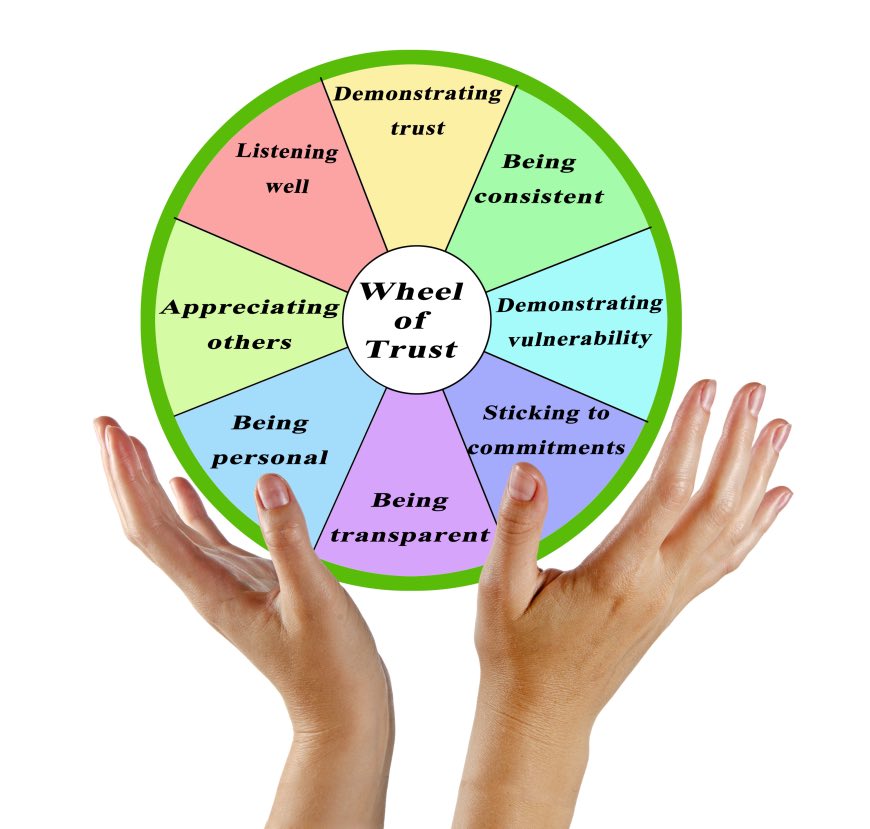
Trust doesn’t just influence first-time purchases and it shapes lifetime value. When users feel their personal data is genuinely safeguarded, they interact more, share more, and stay longer, turning short-term transactions into sustained relationships.
A Cisco report from last year found that 81% of customers evaluate a company’s data protection record before buying. Another 58% say they’ve switched brands due to privacy concerns.
Companies that are transparent about their privacy and security policies enjoy higher retention, better reviews, and stronger loyalty.
Simply put, trust is measurable. And it grows in direct proportion to how seriously a brand takes cybersecurity.
For one Growth Hackers healthcare client, building customer trust was like building a bridge before asking customers to cross it. By improving transparency around data protection and making security part of the brand experience, we helped remove hesitation from the buying journey and contributed to a tangible increase in customer retention.
Ignoring Security Weaknesses Hurts Growth, Not Just IT
For many growing businesses, security is something that gets pushed “until later.” It’s treated as an operational expense rather than a growth enabler.
But neglecting it comes at a steep cost:
- Regulatory fines under GDPR, CCPA, and other data laws.
- PR crises that cause customer churn and lasting reputation damage.
- Operational downtime stalls sales and partnerships.
Once data is compromised, rebuilding brand trust can take years and in some industries, it never fully returns.
The smarter approach is to bake data protection into your business model from the beginning.
Embedding cybersecurity early also streamlines scalability. Teams can onboard new systems, vendors, or cloud tools faster when protection standards are already built into workflows rather than patched later.
Think of cybersecurity as the backbone of scalability. The stronger your defenses, the easier it is to grow confidently without constant firefighting.
One Growth Hackers financial services (FinServ) client was focused on rapid growth but had security gaps that created uncertainty for customers and partners. We helped the team integrate stronger data protection practices into its growth strategy, improving trust signals across the customer journey and contributing to a huge boost in customer retention.
Why Industrial Data Protection Is a Trust Signal
Security isn’t just about software and cloud systems. In manufacturing, logistics, and energy, protecting operational technology (OT) systems is equally critical.
That’s where industrial operational technology security comes in by safeguarding connected devices, industrial control systems, and production networks from cyber threats that could halt operations or endanger workers.
Companies like TXOne Networks specialize in protecting these physical-digital ecosystems that keep industries running. By securing everything from factory sensors to robotic arms, they help ensure uptime, data integrity, and supply chain reliability.
When partners and clients see that your infrastructure is built on OT security, it signals maturity, accountability, and operational strength. It’s not just protection, it’s proof that your organization can handle complexity without risk.
Strong OT security builds trust from the inside out, reassuring stakeholders that your business runs on resilience.
Many industrial enterprises are now integrating continuous threat monitoring into their OT frameworks by identifying potential disruptions in milliseconds. This proactive layer not only prevents downtime but also strengthens confidence across supply chains and partner ecosystems.
Ready to turn data protection into your competitive advantage?
Contact Growth Hackers
Compliance is Becoming a Competitive Advantage
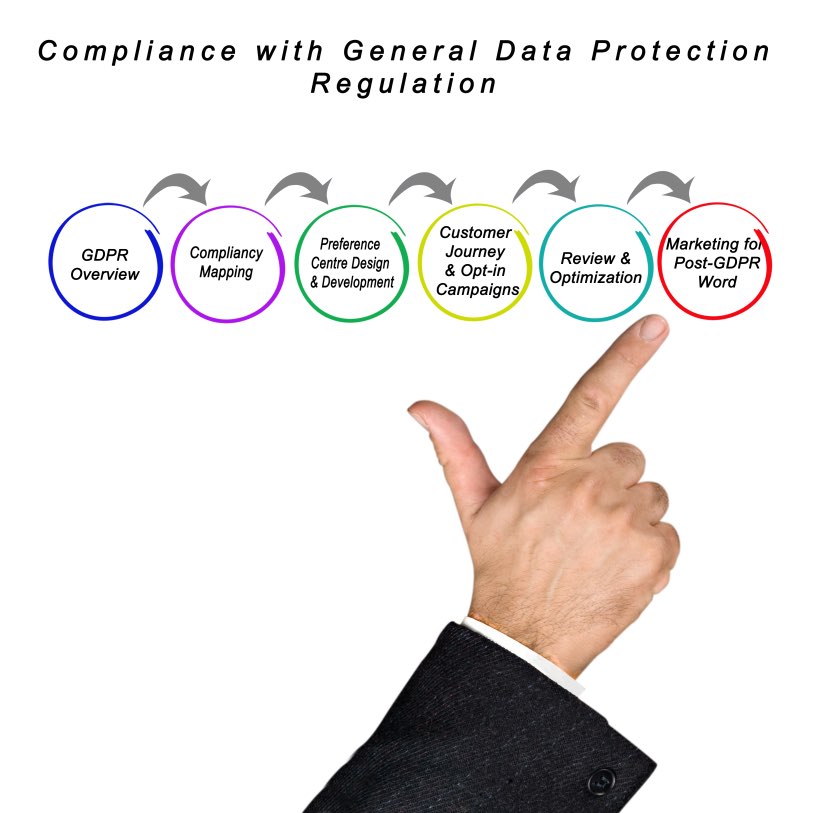
Data privacy regulations are tightening worldwide. From Europe’s GDPR to emerging frameworks like India’s DPDP Act and the evolving U.S. state laws, compliance has become more than a legal necessity… it’s a trust currency.
Leading companies don’t just meet the minimum requirements. They go beyond compliance, demonstrating their commitment through transparency reports, SOC 2 certifications, and clear user consent policies.
This proactive compliance stance communicates something powerful: “We respect your data before the law makes us.”
And that message resonates deeply with both customers and investors.
The New Security Standard | Zero Trust
Traditional perimeter-based security (where users inside the network were automatically trusted) is obsolete. Modern businesses are adopting Zero Trust Architecture, which assumes no device, network, or user is inherently safe.
Zero Trust works on 3 principles:
- Verify every user and device before granting access.
- Limit permissions to only what’s necessary.
- Continuously monitor activity for anomalies.
This model has become a cornerstone for companies that want to demonstrate advanced data stewardship. When clients hear you use Zero Trust protocols, it immediately signals discipline and sophistication in how you handle sensitive data.
In brand terms, it’s like saying: We’re vigilant even when no one’s watching.
Building a Culture of Protection, Not Just a Policy
Even the most advanced security tools fail if employees treat data protection as someone else’s job. Real credibility comes from making security everyone’s responsibility.
That means:
- Training teams regularly on phishing, social engineering, and password hygiene.
- Restricting internal data access on a “need-to-know” basis.
- Embedding security reminders into everyday workflows.
Culture, not code, determines long-term protection. When every employee sees themselves as part of the security ecosystem, data breaches drop and so does the risk of reputational fallout.
Brands that live and breathe cybersecurity don’t need to advertise their integrity and it shows in every decision they make.
Transparency is the New Marketing
The era of “security through obscurity” is long gone. Today’s customers expect brands to communicate openly about how their data is handled.
Leading organizations make cybersecurity part of their brand story, not a hidden disclaimer:
- Publishing clear privacy and security certifications (ISO 27001, SOC 2, NIST).
- Offering educational content explaining how customer data stays safe.
- Including security updates in newsletters or release notes.
- Responding publicly and responsibly to incidents, showing accountability.
Transparency doesn’t mean oversharing. It means visibility. The more customers understand how their data is protected, the stronger their loyalty becomes.
Before working with Growth Hackers, one industrial client treated cybersecurity information as a legal requirement hidden in policies and disclaimers. After making security part of its brand communication through educational content, certifications, and transparent updates, the business strengthened customer trust and increased engagement.

The Link Between Cybersecurity and Investor Confidence
Investors increasingly see cybersecurity as a measure of operational maturity. Companies with strong protection protocols experience fewer disruptions, reduced risk exposure, and higher ESG ratings.
According to IBM’s latest Cost of a Data Breach Report, firms with mature security frameworks save over $1.5 million per incident compared to those with weaker defenses.
When you demonstrate robust data governance, investors view your organization as a lower-risk, higher-stability partner — not just technologically capable but ethically reliable.
Cybersecurity is no longer just IT hygiene, it’s a key factor in valuation.
Protect your data, elevate your credibility and grow your brand.
Work with Growth Hackers
AI and Automation | The Next Frontier in Data Protection
Artificial intelligence is changing the security landscape on both sides: helping defenders detect anomalies faster while giving hackers smarter tools for attacks.
Forward-thinking businesses use AI-driven monitoring and predictive analytics to spot potential breaches before they happen. Automation helps teams respond in seconds, not hours, reducing the damage window dramatically.
But AI alone isn’t enough. The human oversight behind those systems (the ethical frameworks, the audits, the accountability) is what maintains trust.
The takeaway? The future of brand credibility will hinge on how intelligently and responsibly companies integrate automation into their security playbooks.
At Growth Hackers, we’ve helped B2C and B2B clients integrate AI-powered monitoring, automation, and data-driven security processes to improve threat visibility and response speed, helping some businesses reduce security response times while building stronger customer confidence.

From Protection to Perception | Why Messaging Matters
Data protection is invisible by design and customers can’t see your firewalls or encryption. That’s why communicating security effectively is so crucial.
When brands translate their security actions into simple, reassuring language (e.g. “Your payment data is encrypted end-to-end,” “Your information is never shared without consent”) they turn technical safety into emotional assurance.
It’s not about showing off complexity. It’s about making people feel safe. And that feeling drives loyalty far more than any marketing campaign ever could.
Measuring the ROI of Being Secure
Good security costs money… but poor security costs more.
Companies that treat cybersecurity as a core investment see tangible business outcomes:
- Higher conversion rates: customers feel safe entering details.
- Lower churn: confidence creates repeat buyers.
- Faster B2B deals: compliant, secure partners win trust sooner.
- Better crisis recovery: transparent brands bounce back faster.
Security is no longer a compliance checkbox; it’s a business multiplier. Every dollar spent on protection translates into goodwill, reduced downtime, and sustained growth.
Protecting Data = Protecting Reputation
Every byte of data you protect becomes a deposit in your credibility bank. Every vulnerability you ignore becomes a potential withdrawal.
Modern customers are sophisticated. They know what responsible brands look like: proactive, transparent, and prepared.
The companies that invest early in security, compliance, and resilience are the ones that dominate long-term.
Trust doesn’t come from slogans or PR statements. It’s built through consistent protection, visible accountability, and a culture that prioritizes integrity… online and off.
Final Thoughts on How Data Protection Builds Brand Credibility & Customer Trust
Customer trust isn’t something you can buy with ads or repair with apologies. It’s earned through daily protection, reinforced by transparency, and proven through responsible action.
From SaaS startups to industrial powerhouses, one truth stands firm: data protection is brand protection.
And in a world where credibility drives conversion, the most trusted companies will always be those that take security seriously: from the factory floor to the cloud.
Because at the end of the day, safety is the new selling point.
GrowthHackers is a top-rated growth hacking agency helping businesses from all over the world grow. There is no fluff with Growth Hackers. We help entrepreneurs and business owners strengthen their data protection strategies, increase their productivity, generate qualified leads, optimize their conversion rate, gather and analyze data analytics, acquire and retain users and increase sales.
We go further than brand awareness and exposure. We make sure that the strategies we implement move the needle so your business grow, strive and succeed. If you too want your business to reach new heights, contact GrowthHackers today so we can discuss about your brand and create a custom growth plan for you. You’re just one click away to skyrocket your business.