Building strong brand awareness really comes down to choosing the right targeting strategy. Affinity targeting stands out here: it connects with people based on their long-term interests and passions, which can create genuine brand recognition at scale.
This approach lets your marketing reach TV-like audiences who share specific lifestyle interests. It feels less like you’re pushing ads and more like you’re joining their world.
Your target audience responds better to ads that match their interests than to direct sales pitches. When you understand which targeting methods actually work for a brand awareness campaign, you can change how people see and remember your business.
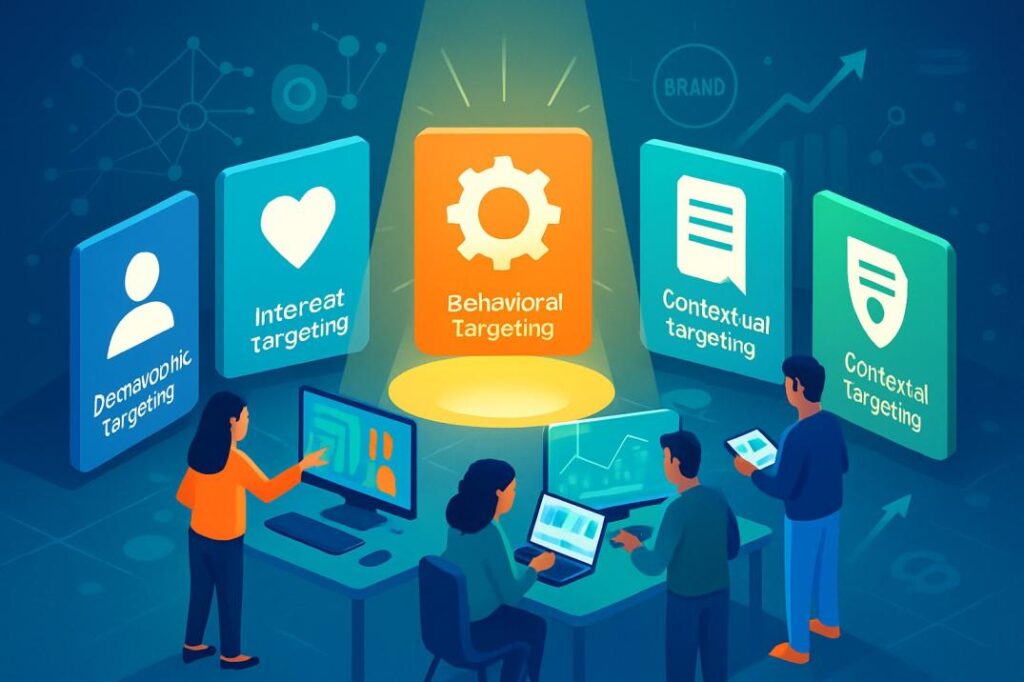
3 Key Targeting Options for Achieving Brand Awareness
Different targeting methods help you reach groups most likely to remember your brand. You can focus on who people are, what they enjoy, or even where they spend their time online.
1. Audience Targeting | Segmenting by Interests and Behaviors
Interest-based targeting lets you reach people based on what they actually care about. Google ads and social platforms track user behavior to create these categories.
You can go broad with interests like “fitness” or get specific with “marathon training.” That way, your brand awareness campaigns reach people already interested in related topics.
Behavioral targeting looks at what people do online. It tracks website visits, purchase history, and app usage.
Affinity audiences include people with long-term interests in certain topics. Custom affinity audiences let you get even more specific, building groups based on your brand’s one major benefit.
You can combine different behavioral signals for better targeting. For example, target people who visit fitness websites and buy sports equipment online.
Custom audiences work well on social media. Upload your customer email lists or website visitor data to find more people like them.
At Growth Hackers, we helped an eCommerce client in the beauty space replace broad audience targeting with interest and behavior-based segments, increasing conversion rates by 27% while reducing cost per acquisition by 21%.
2. Demographic Targeting | Age, Gender, Income, and More
Demographic targeting uses basic facts about people to build your audience. Age, gender, income, and education are the most common filters.
This works best when your product appeals to a specific group. A luxury car brand, for example, might focus on high-income earners aged 35-55.
Geographic targeting narrows your reach to certain locations. You can target by country, state, city, or even zip code.
Most platforms let you combine demographics. Maybe you want to target women aged 25-40 with college degrees in urban areas.
Income targeting helps brands match price points to the right people. Premium brands often focus on higher income brackets.
Parental status and household size matter for some brands. Baby products perform better when you target new parents.
At Growth Hackers, we treat demographic targeting like choosing the right audience for a private event instead of inviting the entire city. For one fashion client, narrowing campaigns by age, income, and location increased ROAS by 2.4x.
Ready to unlock powerful targeting tactics to grow your brand awareness?
Contact Growth Hackers
3. Contextual Targeting | Reaching Users with Relevant Content
Contextual targeting puts your ads on websites and pages that match your brand’s topic. Instead of following users, your ads show up next to related content.
The Google Display Network offers solid contextual targeting. You can pick websites, topics, or keywords that fit your brand.
This method builds awareness by connecting your message with content people already care about. For example, a cooking brand’s ads would pop up on recipe sites and food blogs.
Keyword targeting matches your ads to pages with specific words. Pick keywords tied to your industry or what your customers like.
You can exclude certain content types to protect your brand image. Many brands avoid showing up next to controversial or negative news.
Topic-based contextual targeting covers broader subject areas. Topics like “health and fitness” or “home improvement” cast a wider net than single keywords.
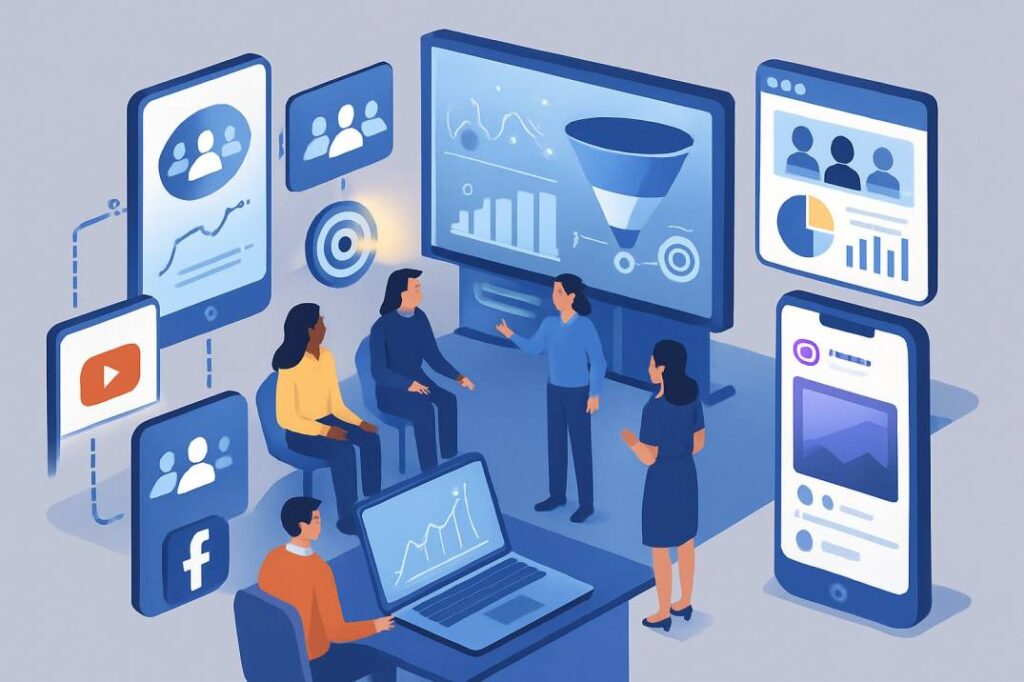
3 Advanced Tactics | Remarketing and Platform-Specific Solutions
Advanced targeting combines remarketing strategies with platform-specific tools to boost your brand’s exposure. These tactics re-engage previous visitors and tap into specialized audience features.
1. Remarketing and Retargeting for Sustained Awareness
Remarketing campaigns target people who already interacted with your brand. This approach builds stronger brand recall than just running standard display ads.
You can create audience lists based on website behaviors. Website visitors from the last 30 days make great remarketing targets.
People who viewed product pages but didn’t convert show high engagement potential. That’s a sweet spot for brand-focused ads.
Key remarketing strategies:
- Target cart abandoners with brand-centric ads
- Re-engage blog readers with related content
- Follow up with video viewers using different ad formats
Cross-device targeting keeps your brand in front of people as they move from phone to tablet to computer. Your remarketing ads should meet them wherever they are.
Frequency capping is important. Show your ads three to five times a week, max. Too many exposures can annoy people and hurt your image.
Dynamic remarketing displays the specific products users viewed. This kind of personalization can boost brand recall by up to 70% compared to generic remarketing.
At Growth Hackers, we worked with a Shopify client that generated strong website traffic but lost potential customers after their first visit. By creating segmented remarketing campaigns for product viewers, video watchers, and abandoned carts, we helped increase conversion rates by 19% and reduce wasted ad spend.
2. Google Display Ads and Affinity Audiences
Google Display Network reaches over 90% of internet users worldwide. Affinity audiences target people based on their long-term interests and habits.
Standard affinity categories include fitness enthusiasts, tech lovers, and cooking fans. These broad groups work well for initial brand awareness.
Custom affinity audiences let you get more precise. Define your ideal customer using:
- Websites they visit often
- Apps they use regularly
- Keywords they search for
|
Audience Type |
Best For |
Reach Size |
|
Standard Affinity |
Broad awareness |
Large |
|
Custom Affinity |
Targeted awareness |
Medium |
|
In-Market |
Immediate conversions |
Small |
Placement targeting puts your ads on specific websites your audience visits. This builds trust by associating your brand with publishers they already like.
Topic targeting shows ads on pages about certain subjects. For example, your fitness brand can appear on all health and wellness content across the network.
Visual ad formats work best for brand awareness here. Use bright colors, clear logos, and simple messages that stick with people.
3. Leveraging Social Media and Custom Audiences
Social media platforms give brands some wild targeting options for awareness campaigns. Custom audiences mix your customer data with platform algorithms, which honestly feels a bit like magic.
Facebook Custom Audiences let you use email lists, phone numbers, or even people who’ve visited your website. Just upload that info, and Facebook hunts down similar users. These lookalike audiences? They often get 10x higher engagement rates—pretty impressive.
Instagram’s visual style fits brand awareness like a glove. Stories and feed ads pop up when people are actually paying attention. Stick with bright visuals and your brand colors, or you might just blend in with the noise.
LinkedIn goes after professional crowds by targeting job titles, company sizes, and industries. For B2B brands, it’s usually a better bet than the more consumer-focused platforms.
TikTok’s algorithm spreads brand content to younger folks in no time. Short video ads here can go viral, sometimes overnight, and suddenly everyone knows your name.
Platform-specific features?
- Twitter/X lets you target by interests and conversation topics.
- Pinterest catches users who are planning what to buy next.
- YouTube focuses on viewing history and subscriptions.
When brands run cross-platform campaigns, brand recall jumps by about 60%. People spot the same message across their social networks, and it sticks.
Custom audiences usually cost 20-30% less than broad targeting but deliver stronger brand awareness. At Growth Hackers, we helped a home furniture client move from spending on broad social ads with inconsistent results to running data-driven custom audience campaigns, increasing brand recall while lowering wasted ad spend.
Boost your brand awareness with smarter targeting today!
Work with Growth Hackers
Crafting Effective Creative for Brand Awareness | Top 5 Tips
Strong targeting gets your ads in front of the right people, but the creative decides whether they pay attention. Your visuals, message, and format all play a role in how well your brand is remembered. A clear creative strategy makes your awareness campaigns more powerful and lasting.
1. Visual Identity and Branding Consistency
Your brand should be instantly recognizable across every ad. Use the same colors, fonts, and logo placement so people connect the ad with your business right away. This is exactly what we did at Growth Hackers with one of the fashion entrepreneurs we partnered when starting a new clothing line. Consistency builds trust and makes it easier for audiences to recall your brand later.
2. Messaging that Sticks
Brand awareness ads should focus on simple, memorable messages. Instead of pushing for a sale, highlight what makes your brand different or useful. Short taglines, strong value statements, and clear calls to mind help your audience remember you without feeling pressured.
3. Choosing the Right Format
Different ad formats work better for different platforms. Video often creates stronger recall because it combines visuals, sound, and storytelling. Static images can also be effective when they use bold colors and direct text. Stories, carousels, and short clips work well for mobile-first platforms like Instagram, YouTube and TikTok.
4. Emotional Connection
People remember brands that make them feel something. Ads that use humor, inspiration, or relatable situations often stick longer than plain product ads. Building an emotional link makes your brand feel human and approachable.
5. Testing and Optimization
Even the best creative ideas need testing. Run multiple versions of your ads to see which visuals and messages perform best. Small tweaks, like changing a headline or image, can make a big difference in recall. Over time, testing helps you refine your creative so it connects more strongly with your audience.
At Growth Hackers, we helped a SaaS client rebuild its brand awareness creatives with consistent visuals, stronger messaging, and platform-specific formats, increasing ad recall and improving engagement rates.
Final Thoughts on Which Targeting Option is Best for Achieving Brand Awareness
The most effective targeting option for building brand awareness is affinity targeting, as it connects your brand with people who already have strong, lasting interests. When combined with demographic, contextual, and behavioral methods, it creates a powerful strategy that makes your brand both visible and memorable.
Strong creative and consistent messaging make these targeting methods even more effective. When your ads align with audience passions and deliver a clear identity, your brand leaves a lasting impression that drives recall and recognition.
If you want to put these strategies into practice and see real growth, I recommend working with Growth Hackers, an award-winning branding services agency that specializes in brand awareness and long-term visibility. With the right team by your side, you can transform targeting methods into campaigns that truly make your brand stand out.
Growth Hackers is a trusted branding services agency that helps companies worldwide build memorable brands and boost recognition across multiple platforms. Our team combines expertise in audience targeting, creative strategy, and data-driven execution to deliver campaigns that don’t just reach people but stay in their minds.
We know how to build affinity audiences, craft impactful messaging, and run cross-platform campaigns that strengthen awareness and brand recall. Whether it’s improving your ad targeting or optimizing your landing page, we make sure every step drives stronger brand recognition.
If you’re ready to grow your business higher, faster, and smarter, contact Growth Hackers today for a free audit. Let’s work together to make your brand unforgettable.