The digital world never stays the same for long. Especially after the advent of AI, the landscape is changing almost every day.
The most significant change in SEO and content marketing is AI overviews (AIO) and answer engines (GEO = Generative Engine Optimization). These have not only created challenges and opportunities, but have also changed our metrics and the way we create content.
That’s why today, I am writing the content to cover the latest SEO and content marketing trends nobody should miss.
Top 8 SEO & Content Marketing Trends
With new technologies, evolving algorithms, and changes in user behavior, businesses that want to stay relevant must consider adopting these trends.
Ignoring them might mean losing visibility, engagement, and ultimately, customers. Let’s dive into each of these essential trends:
1. Prioritizing user experience over keyword optimization
Just stuffing your pages with keywords will not work. As search engines are getting smarter at reading the context of your lines, old-school SEO practices like keyword stuffing are becoming ineffective and in many cases, harmful.
Moreover, more and more search queries are being answered by AI overviews. These tools deliver responses in shorter and highly relevant lines. While they still collect data from SERP results, the need for users to click on individual links has decreased. And this trend will likely continue as AI technology improves.
This shift calls for a change in the way we write content. So now, SEO experts and content creators must prioritize giving direct answers to user searches for AEO (Answer Engine Optimization) and GEO (Generative Engine Optimization) along with SEO. That’s to improve their chances of getting their content in zero-click search results. Think of FAQs, featured snippets, and concise answers that deliver immediate value.
The better your content answers questions clearly and accurately, the more likely it is to be used by AI tools and highlighted in rich results. This means UX (user experience) and clarity of messaging should be a top priority.
At Growth Hackers, we helped a B2B SaaS client move away from keyword-heavy content and build a user-first SEO, AEO, and GEO strategy focused on answering real customer questions. By restructuring content around search intent, FAQs, and AI-friendly formats, we helped grow organic traffic by 58%, and improve qualified leads from search by 31%.
2. Changing your expectations from traffic to conversions
As AIO answers many queries within a few lines, along with references, only the users who need details are going to click the websites ranked below AIOs.
So, the focus should not be on getting traffic through keywords and generic search queries; that’s definitely going to decrease. We should shift our strategies from simply gaining traffic to conversion-driven SEO and content. This requires a mindset change, especially for those who have always measured success in terms of clicks.
This means optimizing for the right audience (that’s more likely to convert), building trust, and getting visitors to take action, whether it’s subscribing, buying, or booking a service.
For example, instead of writing a general blog post like “What is digital marketing?”, create a guide titled “Digital Marketing Tips for Small Businesses to Boost ROI this year.” This targets a specific group and moves them down the funnel faster.
It’s not just about getting eyes on your content anymore; it’s about guiding those eyes toward a meaningful action.
3. Creating higher-quality content with generative AI tools
Low-quality content is not going to work anymore, even if it’s relevant. Because AI has raised the bar so high. It helps create marketing content faster than ever.
But just creating more content is not the answer. To speed up the writing process, it’s still essential to write good sentences, edit them, personalize them, and check for inconsistencies in that content. As AI handles most of the groundwork, your effort should focus on making the content truly valuable and authentic.
In simple words, you need to make your content stand out. Use AI for speed and ideas, while your job is to use your creativity to make it better. Just like 88% of marketers globally, who are already using generative tools not to replace humans, but to enhance the human touch in their content.
For example, tools like ChatGPT or Jasper can draft an outline, but the real value comes from your personal voice, stories, or industry insights. Content that feels robotic will likely be ignored, both by readers and search engines.
For one of our HealthTech clients, Growth Hackers treated Generative AI like a powerful creative assistant, not a replacement for human thinking. AI handled the heavy lifting of research and content foundations, while our team added the strategy, storytelling, and brand personality that made the content stand out. This approach helped the company increase content production while improving average engagement rates.

Struggling to keep up with evolving content marketing trends?
Contact Growth Hackers
4. Short-form videos are taking over the internet
Visual content is dominating the world. It accounts for more than 82% of all internet traffic. Plus, with TikTok, Instagram reels, and YouTube shorts growing rapidly, users now prefer consuming information in 30 to 60 seconds.
This rise in short-form video content is more than just a trend, it’s a reflection of changing attention spans and content preferences.
Brands that adopt short-form videos in their content marketing strategy will have an advantage. You don’t need a fancy studio or a professional videographer. Even simple videos filmed on a phone, if they are engaging and valuable, can go viral.
Google also prioritizes content that has interactive elements in it, like images, graphs, and videos, especially the ones uploaded on YouTube (rather than Vimeo or Dailymotion). This is because YouTube is owned by Google, and integrated better in SERPs.
So, if you want your written content to rank better, pair it with a relevant YouTube short or a product video — and watch your engagement improve.
One of our beauty clients came to Growth Hackers with a strong content library but struggled to keep audiences engaged beyond written articles. We transformed their existing content into short-form videos optimized for YouTube Shorts, Instagram reels and TikTok videos, social platforms, and search visibility. Within 5 months, their video content generated 450,000+ views, doubled organic traffic, and helped drive a 26% increase in inbound leads.

5. Demonstrating first-hand experience in content
One of the most important SEO trends and techniques is proving your expertise with first-hand experience.
As Google’s E.E.A.T. (Experience, Expertise, Authoritativeness, and Trustworthiness) update rewards content that reflects real experience, not just theoretical knowledge. Moreover, AI does not have any experience, so demonstrating your expertise will signal both search engines and users that you are an authority in your niche.
You can demonstrate this through case studies, personal stories, customer testimonials, and real examples. A blog that says “We increased traffic by 130% in 3 months | here’s how” is more credible than a generic how-to guide.
AI might even take you as an information source for AIOs and brand-mention you, which can significantly improve your Google performance. Being cited as a trusted source not only boosts SEO but also positions you as a thought leader in your industry.
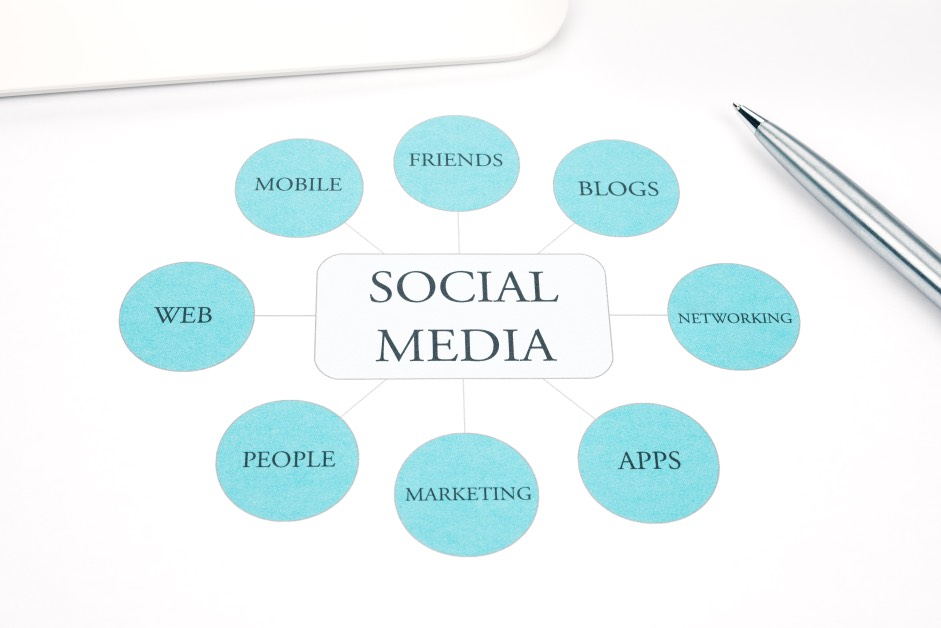
6. Using social media as a search engine
Social media is no longer just for scrolling, it has become a major search engine itself.
A study has found that 78% of Gen Z prefers searching on social media rather than Google. This shift is shaping global content marketing trends, pushing brands to optimize their posts, hashtags, and profiles for search visibility.
Think of Instagram captions with keywords, TikTok bios with niche hashtags, or Pinterest boards with trending search terms.
Being discoverable on social platforms will be as important as traditional SEO. They are even interconnected. Social signals from social media brand mentions, hashtags, and user-generated content signals search engines to consider ranking you higher.
So, it’s time to think of SEO as more than Google: it includes TikTok, LinkedIn, Reddit, YouTube, Pinterest, and even Quora. Before partnering with Growth Hackers, one of our blockchain clients focused only on traditional SEO, missing opportunities where their audience was actively searching on social platforms. After expanding their strategy to include social SEO across channels like LinkedIn, YouTube, X (Twitter) and Reddit, they increased brand discovery, improved engagement rates and most importantly generated 39% more organic opportunities from non-Google search behavior.
Tap into results-driven content marketing trends and experience business growth.
Work with Growth Hackers
7. Omnichannel content marketing
Now that you know there is more than one space to get information from, your brand should be everywhere your target audience goes.
They should see your Instagram post, read your blog, open your email, and then finally visit your website. According to the Uniform Market, 73% of users see a brand at 7 places to finally make a purchase.
That’s why omnichannel content marketing is one of the latest SEO trends that businesses can’t afford to ignore. It’s not enough to be present on one platform anymore. You need to meet your audience wherever they are, whether it’s social, email, search engines, or even messaging apps.
But you need to maintain a consistent voice, message, and user experience across all platforms. Your tone should reflect your brand’s personality, your visuals should follow your brand identity, and your messaging should feel familiar regardless of the channel.
You should still humanize your text so it feels like it was written by the same person everywhere. This consistency builds trust and increases brand recognition.
At Growth Hackers, we helped an EdTech client build an omnichannel content strategy that connected SEO, GEO, social media, email marketing, and website experiences into one consistent customer journey. By aligning messaging across multiple touchpoints, we increased brand engagement, improved website conversions by 28%, and generated 32% more qualified leads from combined marketing channels.
8. Hyper-personalization is becoming a standard
Users now expect content specifically made for them.
In fact, 80% of consumers are more likely to purchase from a brand that offers personalized experiences.
So, hyper-personalization is no longer just a unique strategy, it’s becoming the new normal. Brands make different ads for different segments of their audiences, according to their awareness level. Plus, they even invest in influencer and digital marketing co-creations to reach every corner of their audience.
Final Words on the SEO & Content Marketing Trends to Follow
Staying ahead in the digital marketing world demands more than following old techniques.
From shifting your focus to conversions, creating better content with AI, making short-form videos, to embracing hyper-personalization, you need to evolve with the latest SEO trends and latest content marketing trends.
So, keep user experience, trust, and creativity at the core of your strategies, and you’ll be ready to survive in the rapidly changing landscape.
Growth Hackers is a top-tier content marketing agency helping businesses from all over the world grow. There is no fluff with Growth Hackers. We help entrepreneurs and business owners elevate their brand with cutting-edge content marketing trends, increase their productivity, generate qualified leads, optimize their conversion rate, gather and analyze data analytics, acquire and retain users and increase sales.
We go further than brand awareness and exposure. We make sure that the strategies we implement move the needle so your business grow, strive and succeed. If you too want your business to reach new heights, contact Growth Hackers today so we can discuss about your brand and create a custom growth plan for you. You’re just one click away to skyrocket your business.