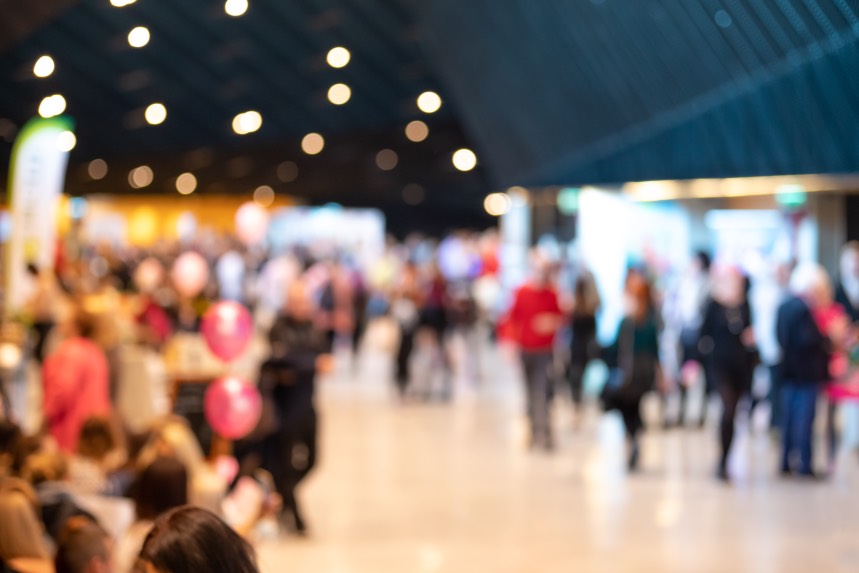
Trade shows are one of the most direct ways to put your business in front of hundreds (or even thousands) of potential customers in a single day. For small business owners and entrepreneurs, these events offer an unparalleled opportunity to scale up brand exposure, test new products, and build meaningful connections that can drive growth.
But let’s be honest, trade shows aren’t for everyone and are not a magic bullet for instant success. They require significant time, money, and energy investments, plus careful planning to avoid common first-timer mistakes.
Why Trade Shows Might Be Your Next Best Move
Consider both sides of the equation. On the positive side, trade shows offer unmatched brand visibility, direct access to your target audience, and opportunities to form partnerships that might take months to develop through traditional networking. You’ll gain valuable customer insights by observing reactions to your products firsthand, and you can gather competitive intelligence by seeing what others in your industry are doing.
However, the drawbacks are real. Beyond the obvious expenses (booth rental, travel, accommodations, materials), you’ll invest considerable time in preparation, execution, and follow-up. Many first-time exhibitors underestimate the physical and mental energy required to maintain enthusiasm and professionalism throughout long show days.
The potential for long-term ROI becomes clear when you approach trade shows strategically rather than as standalone events. Companies that maximize their investments typically see benefits extending beyond the show floor, like strengthened brand awareness, expanded customer databases, and partnerships that generate revenue for years.
At Growth Hackers, we helped an AgTech company turn trade shows from a one-time brand activity into a predictable growth channel. By developing pre-event campaigns, booth engagement strategies, and post-event lead nurturing workflows, we helped them generate 450+ qualified leads, increase follow-up conversions by 26%, and create partnership opportunities that contributed to a massive increase in pipeline value.
Maximize Exposure Through Marketing and Branding
Trade show pros prioritize setting an expenditure plan based on audience, goals, and event type. Some of the most-used strategies are the market share method, the objective and task method, and activity-based budgeting. For one of our blockchain clients, Growth Hackers treated their trade show booth like a physical landing page.
What does that mean?
Every visual element, giveaway, and conversation had a purpose: attract attention, communicate value, and drive action. By optimizing their booth experience and branded materials, we helped the company increase visitor interactions and most importantly generate 36% more sales opportunities from the event.
As a key part of that budget, your trade show swag strategy can make or break your post-event brand recall. While many exhibitors default to cheap pens or stress balls, smart ones invest in versatile, reusable items that recipients will actually keep. The goal isn’t to give away the most items, but to create lasting impressions that keep your brand top-of-mind long after the show ends.
Focus on swag that reinforces your brand message and targets your audience’s lifestyle. Tech companies might offer portable phone chargers or cable organizers, while fitness brands could provide water bottles or resistance bands. Quality matters more than quantity; A hundred well-made items that people keep will generate more brand exposure than a thousand trinkets that end up in trash cans.
Budget approximately 10-15% of your total trade show budget for promotional items and branded materials. This typically translates to $500-$1,500 for smaller shows, depending on your overall investment. Remember to include costs for booth signage, business cards, brochures, and interactive displays or demonstrations you plan to offer.
Work with your graphic designer to ensure all materials maintain consistent branding across colors, fonts, and messaging. Your booth should look cohesive and professional, with a clear hierarchy in your visual elements that first guides visitors’ attention to your most important messages.
Ready to set your brand up for trade show success?
Contact Growth Hackers

Tips for a Stress-Free First Trade Show
Preparation separates successful companies from those who struggle through their first exhibition experience. Start planning at least three months before the event, setting objectives for what you want to accomplish, such as generating leads, building brand awareness, or launching a new product.
Before reserving your spot, review the show’s rules and regulations. You’ll need to follow setup and breakdown times, shipping guidelines, and so on. Publicize your booth a few weeks in advance by posting about it on social media and reaching out to clients, leads, and industry influencers.
Set a schedule in advance; allocate time for travel, meals, and trade show events such as seminars. Another good idea is doing a run-through; set up your booth in advance, virtually or on paper. That way, you’ll have everything you need. When you arrive, familiarize yourself with the layout, introduce yourself to the trade show venue staff, and start setting up.
First impressions count at trade shows, so be on your best behavior. Introduce yourself, welcome attendees, and be a good listener, as you are now a brand ambassador. Your actions reflect your company’s values, so be polite and direct. Disengage gracefully when needed, and always hand out business cards.

Stand Out from the Crowd with Engagement and Creativity
The most successful trade show booths outshine the competition, creating lasting impressions. How do they do this? Most define their authenticity by researching the competition before designing their booths, swag, and events. See what your competitors did at previous trade shows; take things a step further or try a completely different approach.
Think about your audience, narrow it down, and aim for emotional connections. One of our manufacturing clients came to Growth Hackers after attending multiple trade shows where their booth blended into the crowd and attracted mostly casual visitors.
What did we do?
We redesigned their approach by adding interactive demonstrations, audience-specific activities, and engagement tactics that encouraged real conversations with prospects. The new experience generated way more booth traffic, increased qualified conversations and helped their sales team build stronger relationships after the event.
Leverage games, contests, or hands-on demonstrations that encourage active participation from booth visitors. These activities naturally generate conversations while giving prospects direct experience with your brand personality.
Simple offerings like locally-roasted coffee can draw people to your booth and provide talking points. Product sampling works particularly well for consumable goods or services that prospects can experience immediately. Software companies might offer live demonstrations, while service providers could provide brief consultations or assessments.
Contests and giveaways generate buzz and encourage social media sharing, extending your reach beyond the show floor. Structure these activities to require meaningful engagement. Make sure to ask participants how they would use your product or what challenges they face in their business. This provides valuable market insights while building your prospect database.
Align these interactive elements with your brand message and target audience preferences. For instance, a financial services company might offer investment calculators or retirement planning worksheets, while a creative agency could provide design critiques or branding consultations. The experience should feel natural and relevant to what visitors expect from your business.
Making the Most of the Trade Show Experience
Having a basic, quick script for a conversation starting point is fine, but trade show attendees don’t want elevator pitches. Focus on meaningful conversations rather than rushing through things with every passerby; prospects can sense when you’re distracted or rushing. That undermines the trust-building process that drives successful relationships.
Yes, all that talking can be draining, so take care to maintain your energy. Bring water bottles and healthy snacks to avoid relying on expensive convention center food, and schedule short breaks between busy periods to recharge and refocus. Your attitude and energy level directly impact how prospects perceive your brand.
While working, be strategic about lead collection by focusing on quality over quantity. Gather complete contact information and take notes about each prospect’s specific interests and decision-making timeline. This information will prove invaluable during post-show follow-up when you’re trying to reconnect with new contacts.
Fuel your trade show success with expert strategies now.
Work with Growth Hackers

From Connections to Conversions
The real value of trade shows emerges in the weeks and months following the event through systematic follow-up with the connections you made. Develop a structured process for contacting leads within 48 hours of the show’s conclusion while your conversations remain fresh in everyone’s memory.
During these conversations, specify your branding with laser-sharp focus on your company’s offerings. Keep it simple, with a clear, consistent, purpose-driven message; define your value proposition by explaining what makes your company different.
Personalize these follow-up communications by referencing details from your booth conversations. Instead of generic “nice to have met you” messages, mention particular challenges prospects shared or products they liked. That demonstrates that you were genuinely listening and increases response rates significantly.
More payoff: Trade shows can reveal areas where your efforts need improvement. Pay attention to frequently asked questions, common objections, or features that prospects consistently request. This feedback guides product development decisions and marketing strategy adjustments that benefit your business.
Before partnering with Growth Hackers, one of our pharmaceutical clients treated trade show leads like a contact list, sending generic follow-up emails that failed to create meaningful conversations. After implementing a personalized conversion strategy with timely outreach, detailed CRM notes on HubSpot, and customer-focused messaging, they achieved a 53% increase in follow-up engagement, a 24% boost in qualified opportunities, and turned event connections into measurable revenue growth.

Use the Trade Show as a Growth Strategy Catalyst
Position trade show participation as one touchpoint within your larger marketing funnel rather than a standalone activity. The relationships and brand awareness you build at events should integrate with your content marketing, social media presence, and ongoing sales efforts to create a cohesive customer experience.
Successful entrepreneurs view trade shows as catalysts for broader business growth rather than isolated marketing events. The experiences should fuel expansion into new markets, partnerships with complementary businesses, or product development that better serves customers.
Trade shows offer entrepreneurs invaluable test-and-learn opportunities to validate products, gather customer feedback, and refine messaging. However, success requires strategic alignment with your broader marketing vision. Booth presence, lead generation tactics, and follow-up processes must reinforce consistent brand positioning and support overarching business objectives.
At Growth Hackers, we helped a robotics company turn trade shows from isolated events into a complete growth strategy connected with content marketing, social media, and sales campaigns. By integrating event insights into their broader funnel, we helped them generate 44% more qualified opportunities, increase brand engagement and create new partnership channels that contributed to long-term revenue growth.
Set Yourself Up for Success for your Next Trade Show
Let’s circle back to the beginning: your company’s plan to reach new customers. If that’s not hammered out, your trade show experience might disappoint. Having a defined target market, studying the competition, networking, and developing an online presence builds the foundation for a successful trade show booth.
Trade show success builds over time through repeated participation and relationship development. Many exhibitors see their best results in their second or third year as they refine their approach and build recognition within industry communities.
Growth Hackers is an award-winning digital marketing agency helping businesses from all over the world grow. There is no fluff with Growth Hackers. We help entrepreneurs and business owners unlock the secrets to trade show success with expert support, increase their productivity, generate qualified leads, optimize their conversion rate, gather and analyze data analytics, acquire and retain users and increase sales.
We go further than brand awareness and exposure. We make sure that the strategies we implement move the needle so your business grow, strive and succeed. If you too want your business to reach new heights, contact Growth Hackers today so we can discuss about your brand and create a custom growth plan for you. You’re just one click away to skyrocket your business.