


1. Struggling with Fulfillment
Having too many orders is the kind of problem young e-commerce entrepreneurs like to have but mature entrepreneurs know that it”s not as good as it seems. An order comes in, you pack it, you ship it. Ten orders come in, you pack them, you ship them, you treat yourself to a glass of wine with dinner. A hundred orders come in — what do you do? What about a thousand?
Fulfillment is one of the trickiest things to balance as an e-commerce owner because it’s one of the most important things to get right. Nothing makes a customer more upset than a delayed or incorrect order. However, at some point, you get so big you have to let go of some control – but hey, growing pains mean you’re growing, right?
There are a couple of points when you’re likely to face this issue. The first is when you transition from in-house to outsourcing your fulfillment. When your business becomes successful enough, it will no longer make sense to do it in-house, and instead, you’ll want to make the move to a third-party fulfillment company that can take care of fulfilling orders and shipping them for you.

2. Expanding Your Website
Putting together a website is something that a lot of entrepreneurs hunker down and learn to do themselves, usually with a Wordpress template and WooCommerce plugins. However, at some point, it just isn’t going to cut it anymore. When you start getting overloaded with traffic, your starter site will protest by loading much slower.
You also will probably not have the customization, mobile optimization, or integrations with third parties that you need. It’s time to switch and create a powerful and successful e-commerce site. At Growth Hackers, we’ve helped growing brands transition from basic setups to high-performance e-commerce platforms, unlocking faster speeds, better integrations, and scalable growth.
Another scenario is that you’ve only conducted your business on a third-party marketplace like Amazon or Etsy, but you’re feeling limited and wanting to expand. Again, it’s time to start your own website, and you’ll want a powerful and customizable platform like Magento or Shopify to support your growing needs.
3. Influencer Marketing
Influencers. We love to hate them but they have what we all want: an engaged audience that trusts them. Business owners have figured out pretty quickly that they can capitalize on that trust and work with influencers to get their products out to their audience – but as you become more successful, working with influencers is going to get more complicated. Learning how to do influencer marketing the right way will take some time and research.
You’re going to start receiving requests to work together from influencers. It will seem like a nice change at first, instead of always doing the chasing, but it presents a whole new type of issue. The reality is that you’ll likely be contacted by influencers who have poor engagement, a low follower count, or charge too much for a shout-out (or the trifecta of all three).
Scale your e-commerce business today.
Contact Growth Hackers
4. What To Automate
Marketing automation presents one of the most fundamental tradeoffs in the business world: spending money to save time. When you’re still a small business there’s no question that it’s worth it to spend some extra time to save money, but when you get more successful, that will change. The question is, what do you automate, and when?
The first place many successful e-commerce business owners experiment with is email automation – it’s the lowest cost and biggest time saver for growing businesses. Signing up for a service that will send automated welcome emails, cart abandonment emails, and newsletters will save time and increase conversions for very little money – but what about when business keeps growing?
If you’re struggling to keep up with your inventory (reordering at the right time, keeping an accurate count of the inventory you have on-hand), it’s time to start automating your inventory management. Signing up for a system that will keep a live and accurate count of your inventory and reorder when you reach a certain level will take a huge burden off your plate and allow you to focus on other areas.
Other areas of automation you should consider are fulfillment, returns, and customer service. Fulfillment, as discussed above, should be outsourced and automated when you outgrow your in-house fulfillment or your current fulfillment partner.
5. What to Outsource
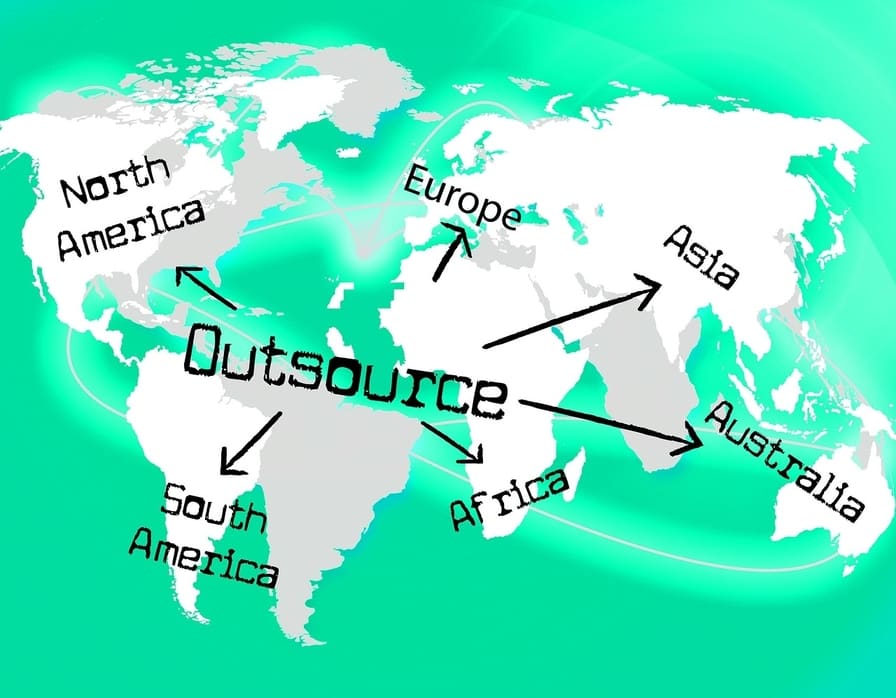
We’ve touched on outsourcing a bit in the fulfillment and automation sections, but in truth, there is a huge amount of labor you can outsource as you become more successful. However, it all comes at a price, and only you can determine if that price is worth it. It’s a problem you will continually face as long as you grow: where is your time best spent, and what can you outsource that isn’t a good investment of your time?
In addition to fulfillment and inventory management, you should be looking at areas of your business that don’t need to be done by you. Hiring a freelancer for recurring tasks like social media management, data entry, and copywriting for your website can save you (or your core team) a lot of time, and you can devote that time to bigger tasks. Before working with Growth Hackers, entrepreneurs spent hours on low-value tasks. After applying our outsourcing framework, they reclaimed their time and redirected their energy toward scaling revenue.
6. Cohesive Omnichannel Experience
Omnichannel marketing is now more important than ever in retail or in e-commerce. Congratulations, you’re selling your products across multiple channels – but now you’re struggling to keep everything cohesive and you’re losing customers when they switch from one channel to another.
If you’re struggling with this, it’s likely because you haven’t created an omnichannel experience for your customers. For example, if you’re selling on your own website, Amazon, and Instagram, and each channel has its own style and offerings, your potential customers are going to struggle when they switch from one channel to another.
The upside is that now you’re a threat – the downside is that you’re going to have to start watching out for a variety of new ways your competition will be trying to steal away your customers. For example, it is against Google’s Terms of Service to use another company’s name in your ad, but that doesn’t mean that companies don’t try it anyway.
If you were searching for an article with the best Nike shoes and an ad came up with the subject “Alternatives to Nike shoes,” that would be against the terms of service. And as you get more successful, other companies may try tactics like this on you.
Another big aggressive (and not legal, but still catastrophic) tactic that you can run into are fake reviews and other sabotage, especially on Amazon. Your competition can not only employ fake bad reviews to drag your product ratings down, they can also spam you with 5-star reviews to make it look like you’ve bought reviews, and shut your store down for violating their terms of service.
Launch a successful e-commerce business with top-notch marketing strategies.
Work with Growth Hackers
8. Expanding Your Marketing Strategy
The days of set-it-and-forget-it ads and sharing the same status update across all your social media channels are over. As you get more successful you’ll need to start worrying about upping your marketing strategy game on all platforms you utilize.
To make social media an effective marketing tool you’ll need to keep up with trends for the year and start looking at the platforms individually. To focus on your domain authority, you’ll want to start doing outreach within your space to get backlinks to your site, along with keeping your site itself updated with content and following Google’s best practices (Google will be your best marketing partner if you play the game the right way).
As your number of visitors, leads, or subscribers grow, you’ll have the opportunity to experiment with what strategies work best to increase conversions as well. You’ll get more opportunities to A/B test things like newsletters, featuring user-created content, sharing guides, or creating lookbooks, to see what resonates the most with your growing audience.
One of our beauty clients relied on the same social media posts for months. With Growth Hackers’ strategy, they implemented A/B testing, trend monitoring, and outreach campaigns that doubled engagement and conversions within weeks.

Running a Successful E-commerce Business
While you’ll never stop facing obstacles as an e-commerce business owner, they’ll be a lot easier to overcome if you’re prepared. By knowing what problems you’re likely to have as you grow, you’ll not only know what to look for, but you can create a plan to meet the challenge head-on when it comes.
Growth Hackers is a full-service eCommerce branding agency helping e-commerce businesses and store owners grow and have better branding strategies through proven and tested digital marketing and growth hacking solutions. If you want to scale your e-commerce business to its full potential, contact Growth Hackers asap!



1 Comment
Yes. These are indeed good problems but it must still be solved if you want to properly serve your customers.