


Cold calling is one of the oldest sales and marketing tricks in the book. Cold calling is different from warm calling though. It’s really just the natural evolution of door-to-door salespeople. With the invention of email, the concept morphed into the digital realm and has become a regular tactic of many businesses the world over. However, with the right set of tools and a story to tell, we believe it can still be a very impactful marketing tactic to direct your audience to your basket.
So, what exactly is cold contacting? It’s when a salesperson contacts someone via email or phone call with no prior interactions, with the intent of turning this someone into a paying customer. Cold contacting has a bit of a reputation of not being the most efficient use of a salesperson’s time. It’s essentially the digital marketing answer to the traditional cold call. For the purposes of this article, we’ll refer to email and telephone collectively as cold contacting.
Is cold calling really still effective?
In short: yes, cold calling can be an effective technique for reaching your ideal clients. Let’s dig a bit deeper though…
In the days of social media, email and text messaging, it can be hard to see how a company can still opt for the old cold call for marketing purposes. The stats behind it are also not terribly impressive, with analysts reckoning that only 2% of all cold calls actually result in a sale. There’s also quite a negative connotation to the practice now as scam artists use the tried and tested format to trick unsuspecting people into paying over money for nothing.
So, why do entrepreneurs, startups and well-established companies still persist with this method? Despite the low hit rate, many business analysts still believe that it is one of the most effective methods of gaining very loyal customers – if done right. However, that is the key here. Cold calling is an artform that takes practice, preparation and patience.
It’s all about who is doing the cold calling: the salesperson needs to at least be able to act like they are passionate about the product/service and the potential customer.
Next up is doing the research: there’s no point in just randomly calling the next number on a list that’s been bought for you. Look at the list, find out who these people are and make sure they’re part of your target market before you pick up the phone. Using a virtual phone number can also help sales teams maintain a professional business identity when making outbound calls.
Finally, the bounce rate on cold calls is real and it’s very difficult to get that percentage up from two. A good cold caller will be able to keep going with enthusiasm even after 100 “no thank you”: some firm, some polite, and some probably very rude.
Direct your audience to your basket by launching a successful cold calling and email strategy now.
Contact Growth Hackers
Should you be sending unsolicited emails in light of data protection regulations?
While a cold email might seem less invasive to a potential client that you haven’t contacted before, it could actually be a lot worse in the eyes of the law. This is thanks to the strict regulations that are coming into play globally about data protection.
These laws relate to how personal information of people is collected and what it is legally being used for. If you do not have permission to use a person’s email address, sending them an email is against the law in many countries around the world.
It’s important to make a distinction between an illegal email (often referred to as spam) and a cold email (also referred to as an unsolicited email to a potential lead). Now, spam is not actually an illegally sent email by the pure definition of the word.
Essentially, an unsolicited message is spam if the recipient’s personal identity and context are irrelevant because the message is equally applicable to many other potential recipients. Therefore, no marketer or salesperson should ever be trying to send spam as it just isn’t worth your time from a business perspective.
The real question is actually what constitutes a legal mail in terms of data protection regulations. The law tends to side with the fact that it is not considered illegal to send emails to business contacts you have never communicated with, or even those you don’t know. However, it is essential that the cold email honors certain elements, such as:
- The subject line is clear and doesn’t deceive the reader in any way.
- There is an obvious and simple way to opt-out of receiving more emails in the future.
- The email clearly states who is sending it and what the reason for sending it is.
Now that we know we can send cold emails legally, the question of “should we” still remains. The results of a cold email campaign can vary wildly. It all depends (as shown above in the cold calling section) on how the email is phrased and designed, and who it is sent to. Growth Hackers has executed cold email campaigns that fully comply with global data protection laws while delivering high open and reply rates for targeted B2B outreach.
If the database of email addresses is segmented correctly according to your target market, and the message sent to each demographic suits them specifically, you can see an incredibly high open and reply rate. There are a lot of cold email outreach tips out there that will help you improve your campaigns, generate leads, sales calls and build relationships.

How do you get people to respond to cold contacts?
Whether you’re picking up the phone and dialing the number, or you’re crafting a perfectly structured email, the tactics are fairly similar when it comes to objection handling in outbound prospection/sales. So, how do you direct your audience to your basket? All cold contacting sales campaigns should consider the following:
● Target market
● Customer-focused message
● Respect your prospect
Direct your audience to your basket by launching a successful cold calling and email strategy now.
Work with Growth Hackers
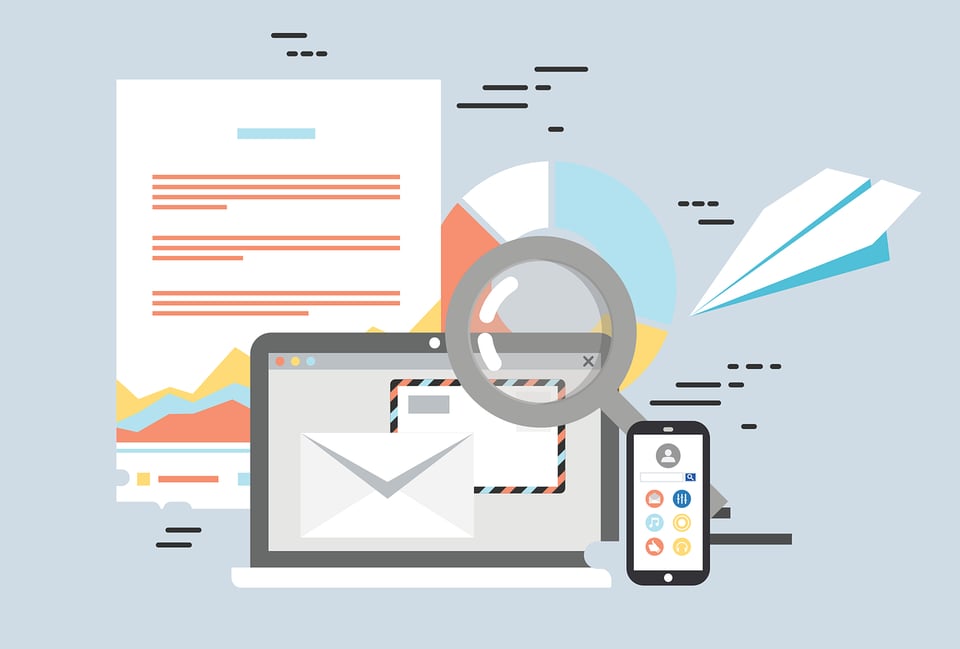
The top tools to use to get real leads from cold contacts
The beauty of cold contacting in the 21st century is that you don’t have to go it alone. Before Growth Hackers’ approach, cold outreach was scattered and time-consuming for our B2B clients but after implementing the right tools, campaigns are organized, measurable, and far more effective. There are plenty of software tools on the market that can help you keep track of your new leads, sort them into usable databases and even help you craft just the right message to direct your audience to your basket.
1. Outreach.io
2. Mailshake
3. Toky

Generate leads like never before and direct your audience to your basket
Cold contacting might seem like a scary, offensive method of marketing. However, if it’s done right, it can be the biggest breadwinner in your company when it comes to making sales. Don’t think about it as a tactic to sell your product or service.
Rather look at it as a way to connect with new people and find a way to help these new connections through your company’s offering. When you and your sales team set off on cold contacting campaign, just remember the three Ps: practice, preparation, and patience.
Growth Hackers is an innovative outbound marketing agency helping businesses improve their growth strategies through proven and tested methods like cold calling and email outreach. If you’re keen to heating up your strategies and directing your audience to your basket, contact GrowthHackers today!


1 Comment
Thanks for your article. I liked your comparison on tools that help you get leads. This helps us greatly.