Internal communication forms the backbone of every successful organization, connecting employees across all levels and departments. Without clear communication systems, companies struggle with misaligned goals, confused priorities, and disconnected teams that hurt productivity and morale.
Organizations today use eight core types of internal communication to keep their workforce informed and engaged. These internal communication types range from basic top-down messages to specialized crisis management protocols. Smart companies combine multiple communication methods to create a strong internal communications strategy that builds trust, improves collaboration, and drives better business results.
Core Types of Internal Communication
Internal communication flows through four main directions within organizations: from leadership down to employees, from employees up to management, across departments at the same level, and diagonally between different levels and departments. Each direction serves distinct purposes and requires specific approaches to ensure effective information sharing.
1. Top-Down Communication
Top-down communication, also called downward communication, flows from leadership to employees throughout the organization. This type of internal communication delivers strategic updates, company policies, and important announcements.
Management uses this method to share goals and objectives. They communicate changes in procedures and explain new initiatives. Leaders also provide feedback on performance and clarify expectations.
Common channels include:
- Company-wide emails
- Team meetings
- Internal newsletters
- Video messages from executives
- Company intranet updates
Effective top-down communication requires transparency and clarity. Messages should be tailored to different audience levels. Not every employee needs the same level of detail about strategic decisions, making it crucial to select the right communication tool.
Leaders must use multiple internal communication channels to reach all employees. They should also build accountability by setting deadlines for message delivery and checking that information reached its intended audience.
2. Bottom-Up Communication
Bottom-up communication, or upward communication, allows employees to share ideas and feedback with management. This internal communication method creates a two-way dialogue and helps leaders understand employee concerns.
Employees use this channel to report problems and suggest improvements. They share insights from their daily work experience. Workers also communicate their training needs and career goals.
Effective methods include:
- Employee surveys
- Suggestion boxes
- One-on-one meetings
- Open-door policies
- Team feedback sessions
Leaders must be approachable for this communication to work well. They need to actively listen and respond to employee input. Management should acknowledge feedback and explain how they will use it.
Organizations benefit when employees feel comfortable sharing honest opinions. This type of internal communication builds trust and improves positive company culture. It also helps identify issues before they become major problems.
3. Horizontal Communication
Horizontal communication happens between employees at the same organizational level. Colleagues use this method to coordinate tasks and share information across departments.
Team members collaborate on projects through horizontal communication. They solve problems together and share expertise. This communication helps avoid duplicate work and improves efficiency.
Key characteristics:
- Peer-to-peer information sharing
- Cross-departmental coordination
- Joint problem-solving efforts
- Knowledge transfer between teams
This communication type requires clear protocols and proper channels. Teams need shared platforms to exchange information easily. Companies should encourage positive communication habits among peers.
Organizations must address conflicts quickly when they arise. Poor horizontal communication can create silos between departments. Leaders should model good peer communication and provide training when needed.
4. Diagonal Communication
Diagonal communication crosses both departmental and hierarchical boundaries. This internal communication type connects employees at different levels, including senior management, who work on related projects or share common goals.
A marketing coordinator might communicate directly with a senior finance manager about campaign budgets. An IT specialist could work with various department heads on system updates. This approach speeds up decision-making and reduces delays.
Benefits include:
- Faster information flow
- Reduced bureaucracy
- Better cross-functional collaboration
- More efficient project completion
Diagonal communication requires clear boundaries and guidelines. Organizations must define when employees can bypass normal chains of command. Leaders need to support these connections while maintaining overall structure.
This communication method works best in flatter organizational structures. Companies should train employees on when and how to use diagonal communication effectively.
Ready to improve workplace communication strategies today?
Contact Growth Hackers

Specialized Internal Communication Methods
Companies need specific communication approaches for critical situations that go beyond everyday workplace interactions. Crisis communication helps organizations respond to emergencies, change management communication guides employees through transitions, and culture communication builds shared values and behaviors.
1. Crisis Communication
Crisis communication requires immediate and clear messaging when emergencies threaten an organization. Companies must have a crisis communication plan ready before problems occur.
Crisis management teams need direct channels to reach all employees quickly. Text messages and emergency alert systems work better than email during urgent situations.
Leadership must communicate facts honestly during a crisis. Employees need to know what happened, how it affects them, and what steps the company is taking.
Key crisis communication elements include:
- Designated spokesperson for all updates
- Multiple communication channels for backup
- Regular update schedule to prevent rumors
- Clear instructions for employee actions
Teams should practice crisis scenarios before real emergencies happen. This helps everyone know their roles when time matters most.
2. Change Management Communication
Change management communication helps employees understand and accept organizational changes. Companies use this when introducing new systems, policies, or structures.
Employees need to know why changes are happening and how they will be affected. Change management works best when communication starts early in the planning process.
Managers should explain the benefits of changes clearly. Workers are more likely to support changes when they understand the reasons behind them.
Effective change communication includes:
- Timeline of when changes will happen
- Training resources for new processes
- Two-way feedback channels
- Recognition of employee concerns
Leaders must address resistance directly. Open discussions about concerns help employees feel heard during transitions.
3. Culture Communication
Culture communication builds and maintains shared values across the organization. Companies use this to create a strong organizational culture and employee connection.
Company culture develops through consistent messaging about values and expected behaviors. Stories about employee achievements help reinforce desired cultural traits.
Corporate social responsibility programs often serve as culture communication tools. These initiatives show employees how the company’s values translate into real actions.
Culture communication methods include:
- Employee recognition programs
- Values-based storytelling
- Team building activities
- Leadership modeling of behaviors
Companies should connect daily work to larger organizational purposes. Employees feel more engaged when they understand how their jobs support company goals.
Regular culture surveys help organizations measure communication effectiveness. This feedback shows whether messages about values are reaching employees successfully.
Communication Channels and Tools
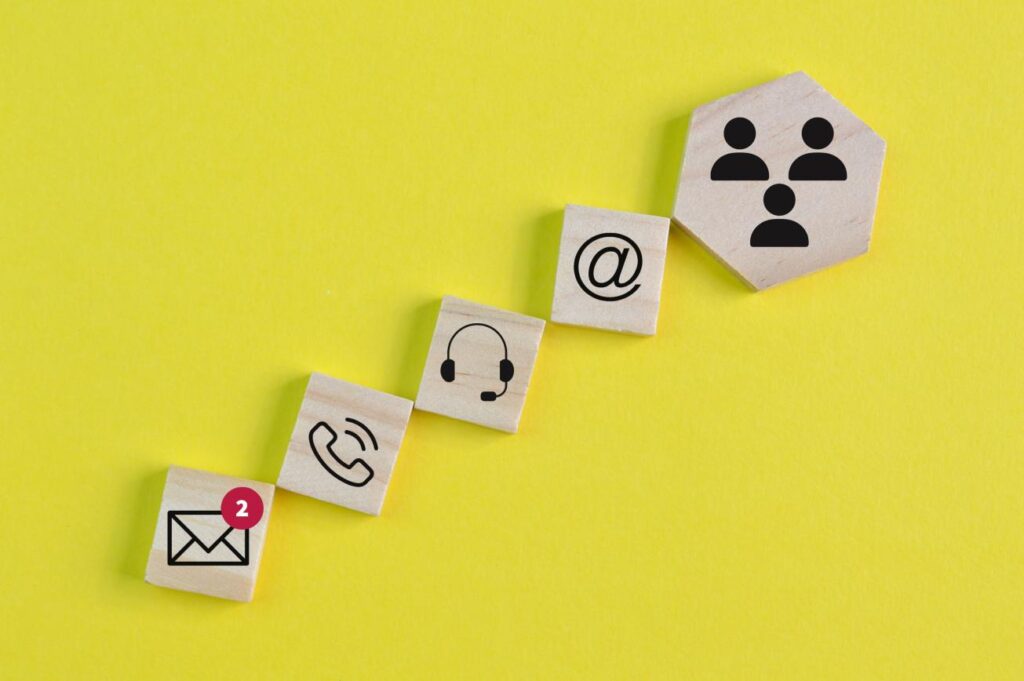
Organizations use various communication channels and tools to share information and engage employees effectively. Modern workplaces rely on digital platforms for instant messaging and collaboration, while traditional face-to-face meetings remain important for building relationships and discussing complex topics.
Digital Communication Platforms
Digital communication platforms form the backbone of modern internal communications. Internal communication software includes messaging apps, video conferencing tools, and employee experience platforms that connect teams across locations.
Popular internal communication tools include Slack for instant messaging and Microsoft Teams for video calls and file sharing. These platforms help employees stay connected in real-time.
Intranets serve as central hubs for company information, policies, and resources. Employees can access important documents and updates from one location. Many companies use employee experience platforms that combine multiple features like news feeds, document storage, and employee directories.
Video conferencing tools like Zoom and Google Meet enable face-to-face conversations for remote teams. These tools support screen sharing and recording for training sessions and important meetings.
Internal communications apps often include features like push notifications, polls, and comment sections. This helps internal communications teams reach employees quickly and gather instant feedback.
Face-to-Face Meetings
Face-to-face meetings remain valuable for building trust and handling sensitive topics. Town halls allow leadership to address large groups and answer questions directly from employees.
Team meetings help colleagues collaborate on projects and solve problems together. Department meetings keep everyone updated on goals and progress within specific work areas.
One-on-one meetings between managers and employees provide opportunities for personal feedback and career discussions. These private conversations help address individual concerns that might not come up in group settings.
All-hands meetings bring the entire organization together to share company news and celebrate achievements. These gatherings strengthen company culture and help employees feel connected to the bigger picture.
Employee Feedback Mechanisms
Employee feedback systems help organizations understand worker concerns and improve workplace conditions. Suggestion boxes provide anonymous ways for employees to share ideas and report problems.
Virtual suggestion boxes and online forms make it easier for remote workers to participate. These digital tools often include voting features so employees can support popular ideas.
Pulse surveys ask quick questions about job satisfaction and workplace issues. Companies typically send these short surveys monthly or quarterly to track employee mood and engagement levels.
Discussion forums create spaces where employees can ask questions and share knowledge with coworkers. These platforms help build community and reduce repeated questions to managers.
Anonymous feedback tools protect employees who want to report serious concerns without fear of retaliation. Many companies use third-party platforms to ensure complete privacy for sensitive feedback.
Transform your workplace with strong internal communication today!
Work with Growth Hackers

Examples and Best Practices
Successful internal communication relies on proven methods and real-world examples from effective organizations. Companies achieve better employee engagement and productivity through strategic communication approaches and structured onboarding processes.
Internal Communication Examples
Many companies use peer-to-peer communication platforms to boost employee engagement. Amazon creates dedicated channels for team discussions and project updates.
Team meetings serve multiple purposes in organizations. Weekly stand-ups help teams share progress and address roadblocks. Monthly all-hands meetings keep everyone aligned with company goals.
Employee communication takes many forms in successful companies:
- Email newsletters for company updates and announcements
- Digital bulletin boards for quick information sharing
- Video messages from leadership during important changes
- Chat platforms for instant peer-to-peer interaction
Companies like Microsoft use internal social networks. These platforms let employees share ideas across departments. Workers can ask questions and get answers from colleagues anywhere in the organization.
Information sharing works best when it flows in multiple directions. Top-down communication delivers strategic updates. Bottom-up feedback helps leadership understand employee needs.
Some organizations hold regular “coffee chats” between managers and teams. These informal meetings improve the employee experience by creating open dialogue opportunities.
Internal Communication Strategies
Effective internal communication strategies focus on clear information delivery methods. Companies need multiple channels to reach different employee groups and communication preferences.
Digital-first approaches work well for remote and hybrid teams. Organizations use collaboration tools to maintain consistent contact. These platforms support both formal announcements and casual peer-to-peer interaction.
Timing matters in communication strategies. Important updates should reach employees before they hear news from outside sources. Regular communication schedules help improve employee engagement and build employee expectations.
Successful strategies include:
Strategy Type | Purpose | Example Tools |
Real-time messaging | Quick updates | Slack, Teams |
Video communication | Personal connection | Zoom, Loom |
Document sharing | Information storage | SharePoint, Drive |
Feedback systems | Two-way dialogue | Surveys, forums |
Employee engagement improves when communication feels relevant and timely. Companies tailor messages to specific audiences rather than sending generic updates to everyone.
Feedback loops strengthen communication strategies. Organizations track which messages employees read and engage with. This data helps improve future communication efforts.
Internal Communication for Onboarding
Onboarding communication sets the foundation for new employee success. Clear information delivery during the first weeks directly impacts long-term productivity and employee retention.
New hires need structured communication timelines. Day one should cover immediate needs like login credentials and workspace setup. Week one includes team introductions and role expectations.
Effective onboarding communication includes multiple touchpoints:
- Welcome emails before the start date
- Buddy systems for peer-to-peer interaction
- Check-in meetings with managers during the first month
- Resource guides for company policies and procedures
Companies create digital onboarding portals for consistent information sharing. These platforms let new employees access training materials and company resources at their own pace.
Team meetings during onboarding help new hires understand workplace culture. Regular introductions to different departments expand their internal network.
The employee experience improves when onboarding communication continues beyond the first week. Monthly check-ins during the first quarter help address questions and concerns as they arise.
Successful onboarding communication creates clear expectations while providing support channels for ongoing questions and feedback.

Final Thoughts on Types of Internal Communication
Strong types of internal communication ensure teams stay aligned, informed, and motivated. By applying the right approach in the right situation, organizations can reduce misunderstandings, improve collaboration, and achieve their goals more efficiently.
When internal business communication flows effectively across all levels, it creates a work environment where employees feel valued, clients feel heard, and results speak for themselves.
Growth Hackers is a results-driven digital transformation agency that applies the most effective types of internal communication both within our team and with our clients. This allows us to fully understand client needs, meet expectations with precision, and consistently deliver the promised results. Our structured communication processes keep every project on track, strengthen relationships, and make collaboration seamless from start to finish.
Contact Growth Hackers today for a free audit and discover how we can help you harness the power of internal communication to achieve sustainable business growth.