Numbers are what fuels modern businesses. Before you build a stable foundation, you need to focus on those figures that have a considerable impact on profitability. With that, a comprehensive data-driven guide to growing your sales is a must.
Given that many business decisions today are influenced by data, it’s best to leverage the advantages that data analytics bring to the table.
Business owners are becoming more aware of using data for growing their sales. But despite the increasing awareness and sensitivity to digital transformation, businesses still need to equip themselves with the right knowledge and tools for using data to close more deals.
Here’s a 3-Step Data-Driven Guide into Growing your Sales
Step 1 : Know Your Variables
Working with data is not just a matter of crunching numbers and making sure everything else adds up. It takes more than just simple arithmetic to fully integrate data to your business processes.
Before you get into the nitty-gritty of building your data analytics infrastructure, you must identify those metrics that are important to focus on. This is a matter of obtaining crucial information about your business and about the products or services you offer.
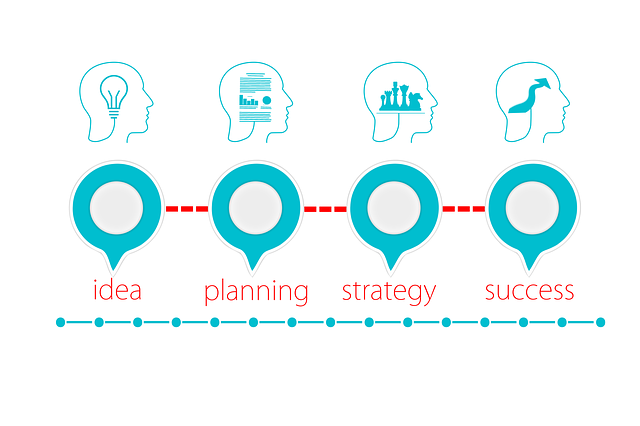
Analysis should begin by identifying those variables that influence your business’ ability to look for and convert new customers. There are a few things you should look at:
Conversions: Conversions tell you a lot about how many of your contacts could end up actually purchasing an item or signing up for a service. Obviously, this is an important metric to start with as it gives you a general idea of how well your business is performing. Then again, using this metric alone will not suffice in giving you a clear picture of actual conditions.
Organic Visitors: If you have a website for your business, you need to look at the number of people who are actively searching for the solutions you sell. Indeed, maintaining an effective website can help you grow your sales, but it is only if you make your website searchable that will allow you to increase your numbers.
Cost-per-lead: Generating, nurturing, and converting leads costs money… a lot of money. You just can’t throw a couple thousand dollars on an online advertising campaign thinking that it will result in a higher ROI. The best thing to do is determine how much you are spending for each lead and what strategies you can apply to reduce costs and maximize your gains.
Focusing on these variables should give you a basic understanding of what it is you need to measure and include in your current business strategy. By analyzing critical metrics, Growth Hackers has helped clients understand which variables truly impact sales, enabling smarter decisions and higher returns.
Grow your Sales with our Data-Driven Methodology
Contact Growth Hackers
Step 2 : Plan a Sales Funnel
After you have identified the variables you need to support your sales endeavors, it is only a matter of using such information in planning out the sales funnel.
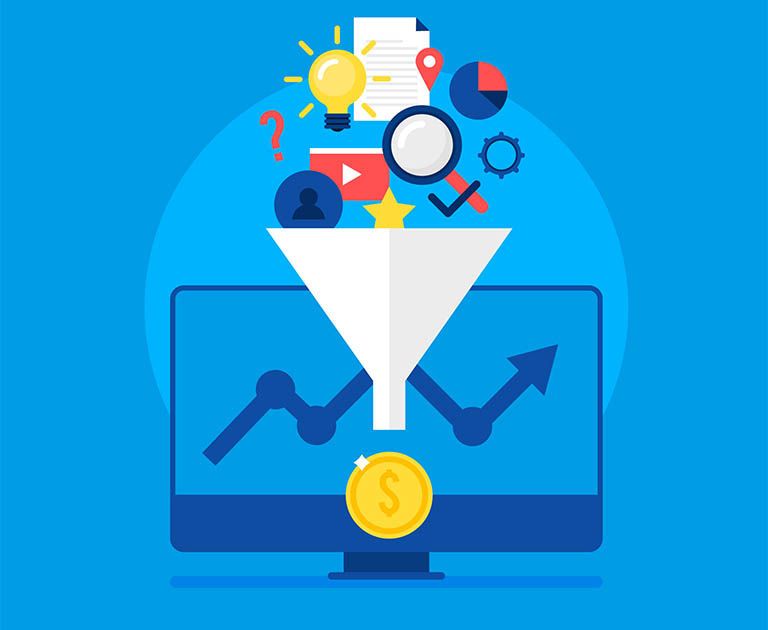
A sales funnel is basically the process you use to generate interest, influence decisions, and facilitate the conversion of customers. In other words, it is the blueprint that defines the success of your business in terms of acquiring sales.
Awareness
Preferences and online activities are just a few things you will need to track to improve your marketing campaign. Added to that is the use of firmographic data, which divides your market into workable segments so you can deliver personalized content to each one.
Interest
Action
For this, it is important to give concrete numbers regarding your product. Detailed content can be ultra-useful if the prospect proves to be a harder fish to catch. In both ways, you need enough information to be able to pass that final appointment with flying colors.
When everything works out, you can expect to close as many deals as you want without having to spend more time and even more money waiting for a closed deal.
This is all basic, but the most difficult part is when you actually go through the motions of building your sales funnel using whatever essential data you have.
Indeed, creating a sales funnel is easier said than done unless you use the right platforms with the right features. When you are out looking for one, you should focus on features that let you create highly engaging landing pages, order forms, and automated webinars. Basically, you need something powerful to put all these elements together and provide you with the tools you need to accurately track buyer journeys.
Growth Hackers has designed high-converting sales funnels for clients, using data-driven insights to guide prospects from awareness to action and maximize revenue. But data should not stop at helping you build a highly converting marketing campaign. It also has value in terms of helping you create the right content to deliver.
Step 3: Build a Content Strategy
Coming up with an effective sales funnel is a different thing all on its own, and so is creating content. All the same, your content strategy should not rule out the value of data, which gives you enough context for your customer engagement activities.
When it comes to content, data-driven solutions are vital to maximize your time and resources. As you come up with an ideal client profile and build an effective sales funnel using the right platforms, you should also spend time researching effective content.

1. Competitor analysis
2. SEO analysis
3. Campaign analysis
Leverage data to grow your sales now!
Work with Growth Hackers

The sales team will ask the marketing team the kind of content they need to make their work easier such as case studies, portfolio, brochures, comparison with the competition… You can also use data to optimize each part of your multi-channel marketing campaign like:
Social media. Click-through-rates and reach are particularly helpful in making sure all your social media content is effective enough to raise awareness about your brand. You may also combine this with attributed conversions and referrals to have a more comprehensive view of all your online marketing efforts.
E-mail. An email marketing campaign is very powerful during the interest phase. You just have to do it right using data that indicates how well the campaign is performing. Open rates, CTRs, spam complaints, the growth rate of your mailing list and other metrics should give you enough insights into the effectiveness of your lead nurturing activities.
Blogging. In terms of measuring your blog’s performance, you might want to focus on such indicators as the number of inbound links generated, social shares, and, more importantly, organic visits.
By aligning sales and marketing teams and leveraging channel-specific data, Growth Hackers has helped clients create multi-channel campaigns that maximize reach and drive measurable results.

How growing your sales with a data-driven approach work?
Working with numbers is important when it comes to growing your sales. Though they may seem complex, spending time and resources in an effort to understand these metrics will guide you toward better opportunities for your business.
By reading and implementing this comprehensive data-driven guide to growing your sales, you can gain a competitive advantage against your competitors and attract a lot of clients and customers. There may be challenges in implementing these steps, but with Growth Hackers as your dedicated Google ads agency, we can guarantee that there’s a lot more opportunities that you can gain.
We help businesses grow with social media marketing but also content, SEO, email marketing, growth hacking, fundraising and more. Don’t hesitate to contact Growth Hackers and learn more ways in growing your sales.